Clients & collaborations













GULA uses artificial intelligence as an extension, as a tool, and as a partner. But there's one thing we don't negotiate: the idea is human. The impulse is human. The decision is human. AI is the medium — GULA is the engine.
Every project starts here. We listen, dig, and translate the brief into a clear creative direction.
We define the visual language, the tone, and the rules of the world we're about to build. The "why" before the "what".
References, palette, textures, type. The strategy gets visual. Everything is decided before a single frame is produced.
Channels, timing, and deliverables. How the work meets the audience — and how we measure it landing.
Detailed boards guide every frame. Nothing is left to chance — every shot has intent. Then AI executes and enhances. Humans decide.
We don't just use generative AI. We integrate 3D tools to precisely design the scene before producing it.
We define camera moves, character actions, gestures, pacing and composition to know what will happen before generating a single frame.
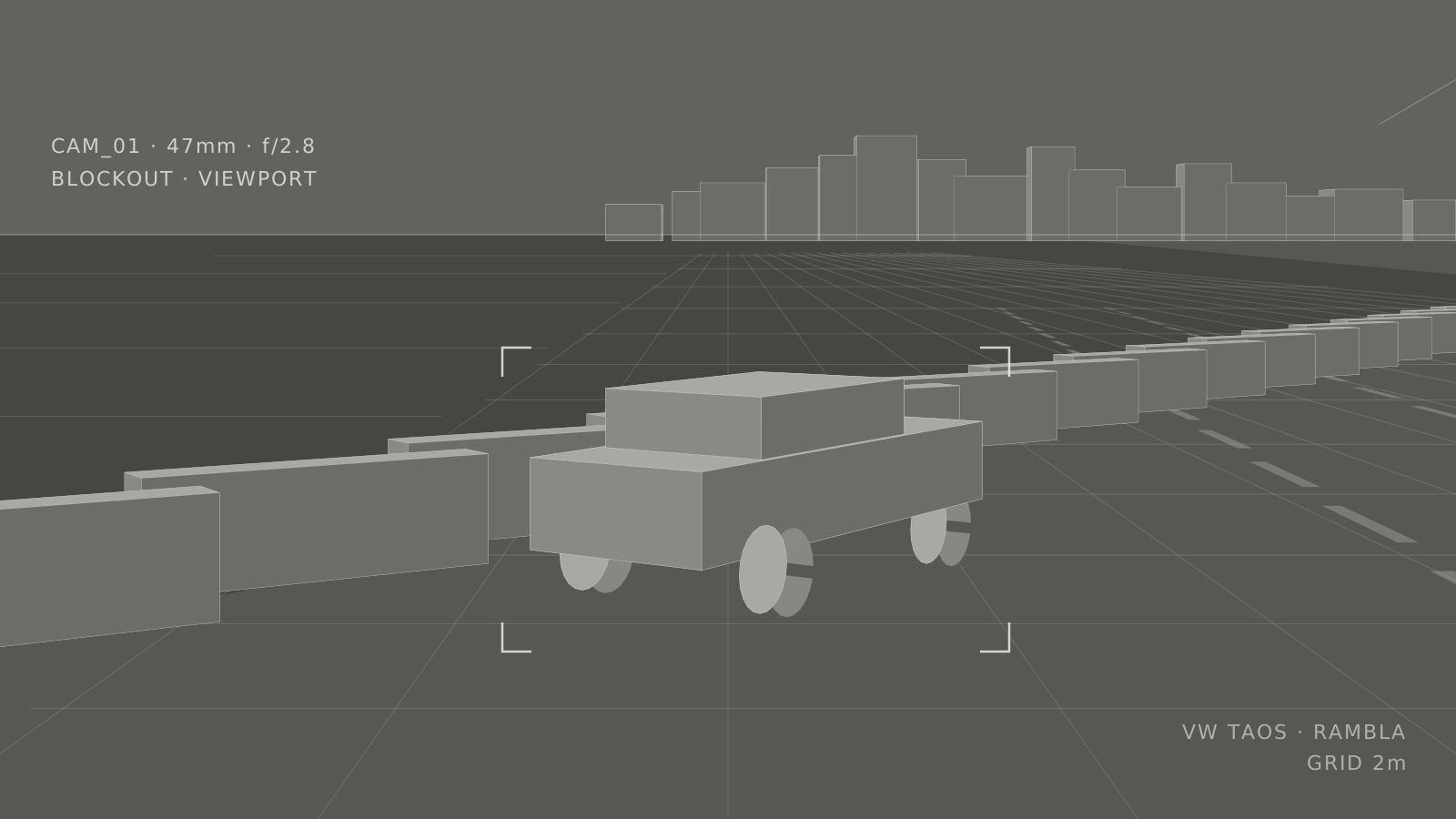

We don’t prompt and pray. Every shot is blocked out in 3D first — camera, lens, lighting, staging. The AI renders what we already decided.
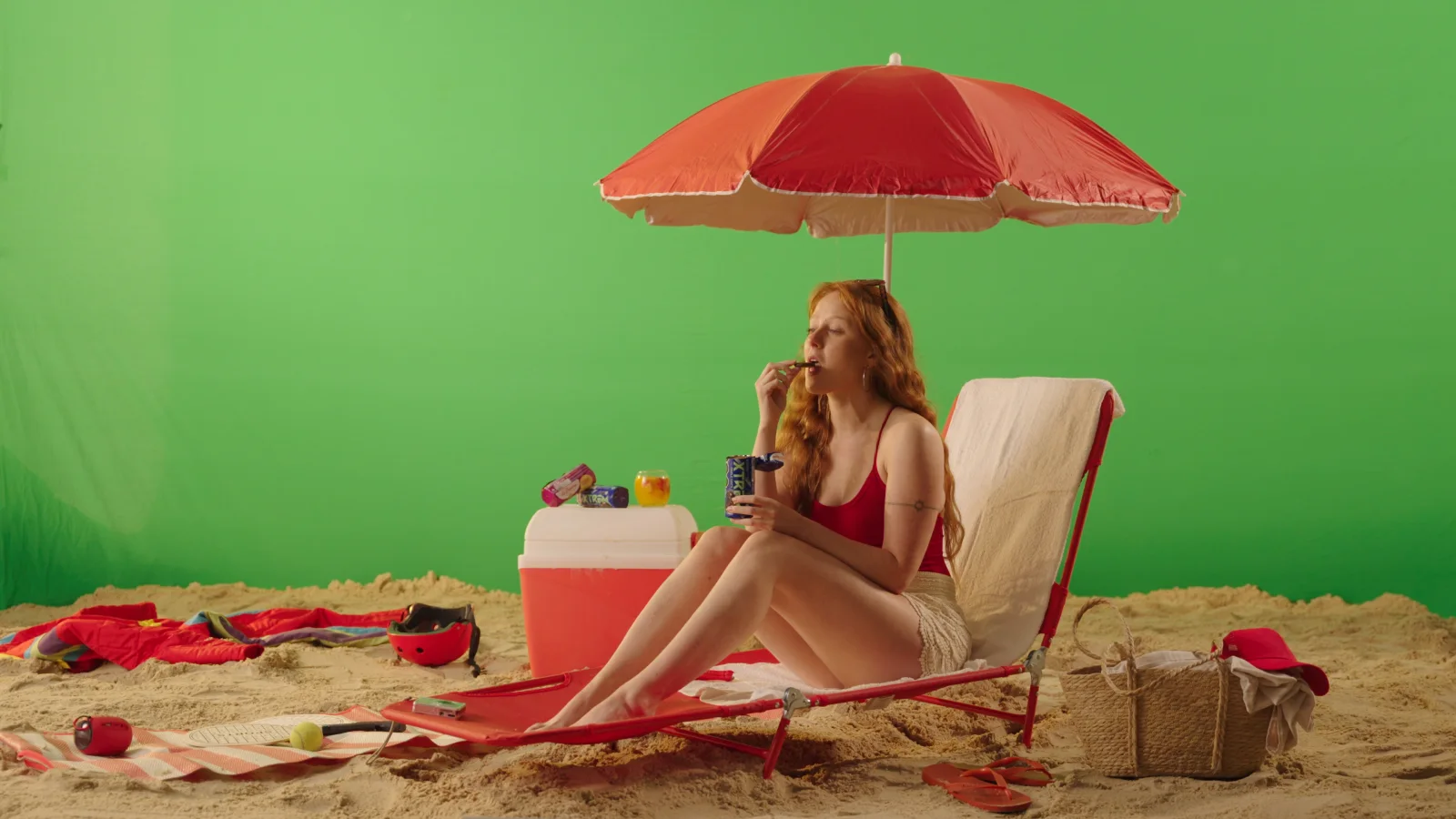
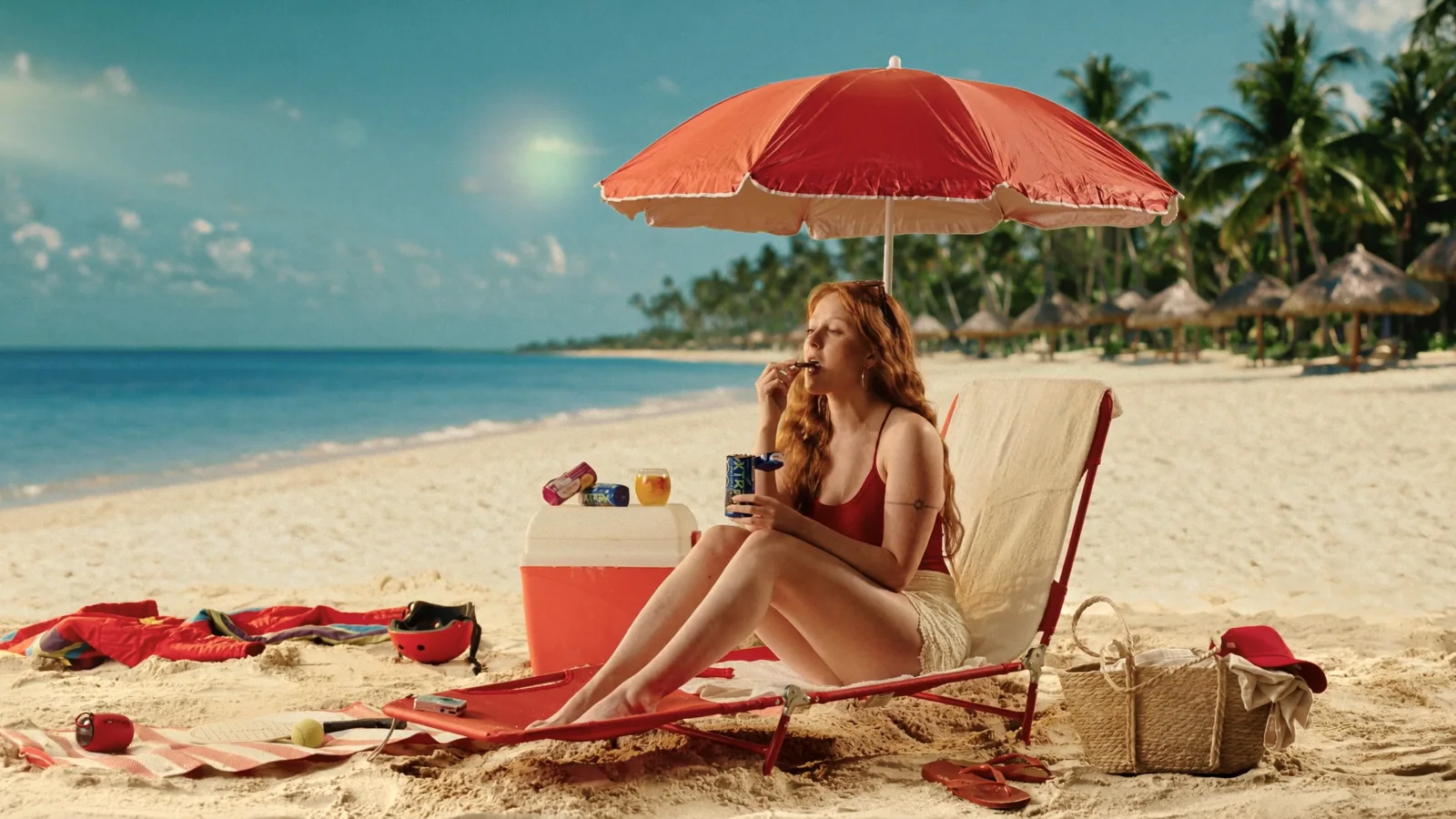
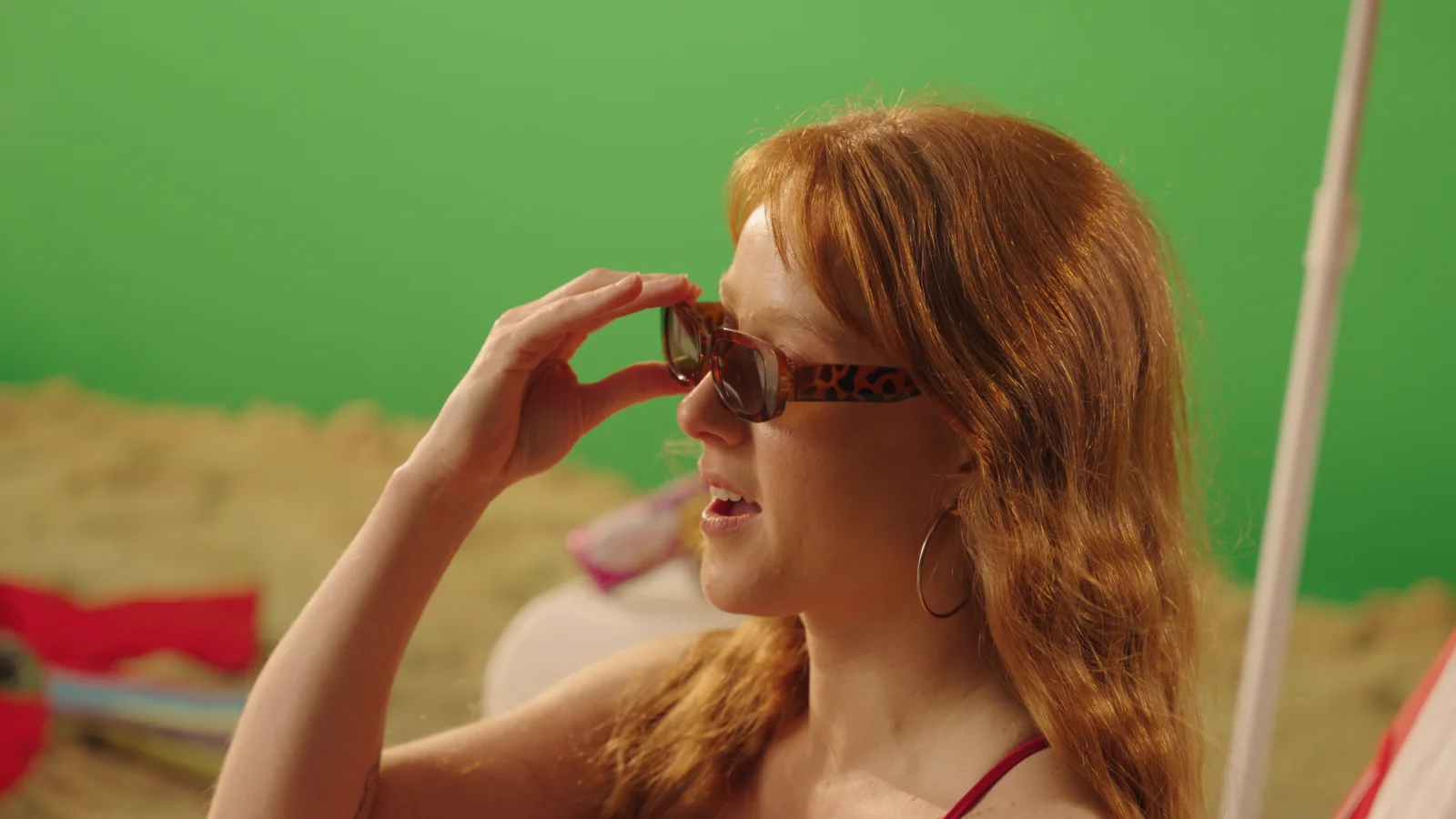
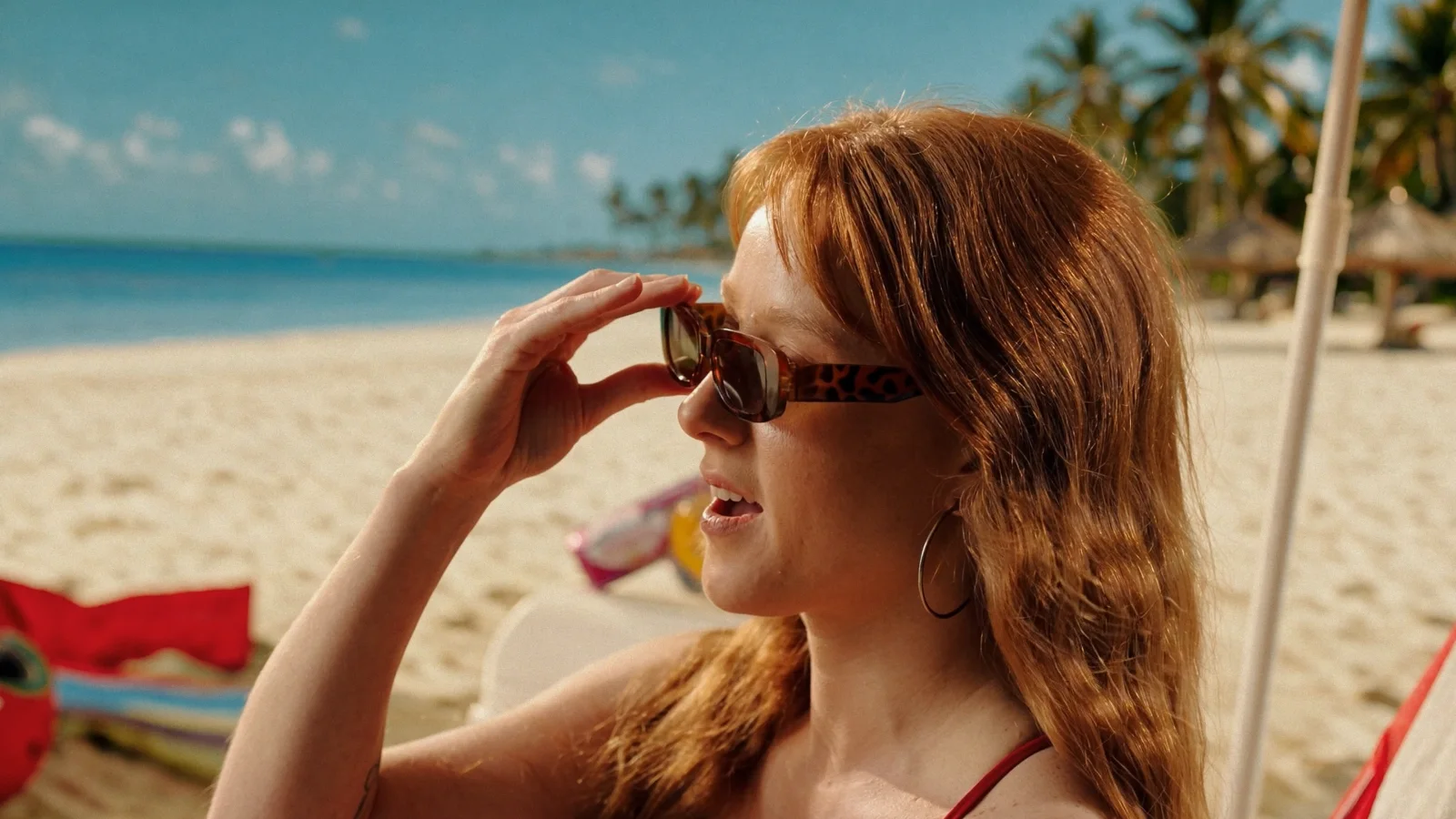
Not everything is generated. Here the talent was shot on green screen and the rest was built with AI — beach, sea, palms, light. The real and the generated are decided together, from the same direction.
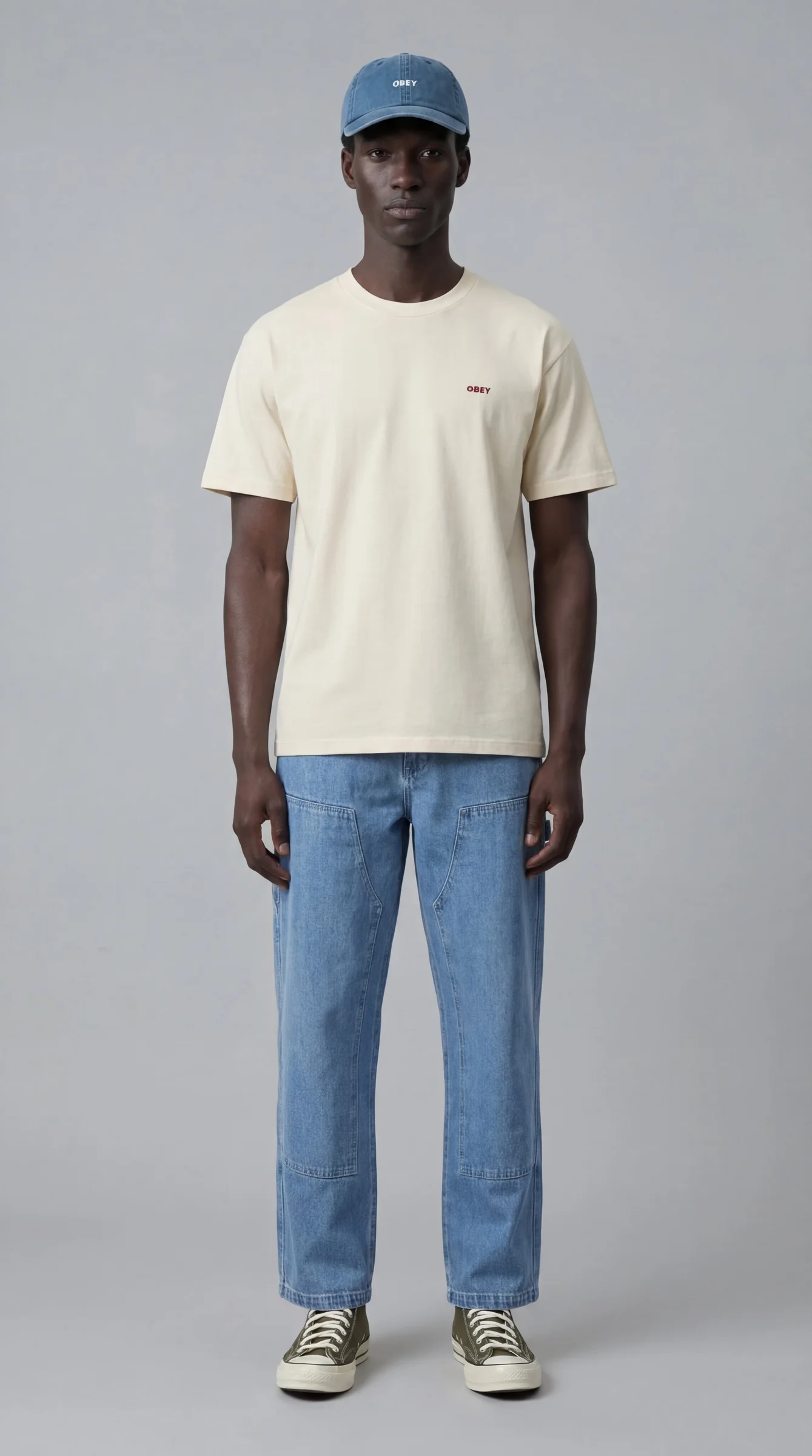
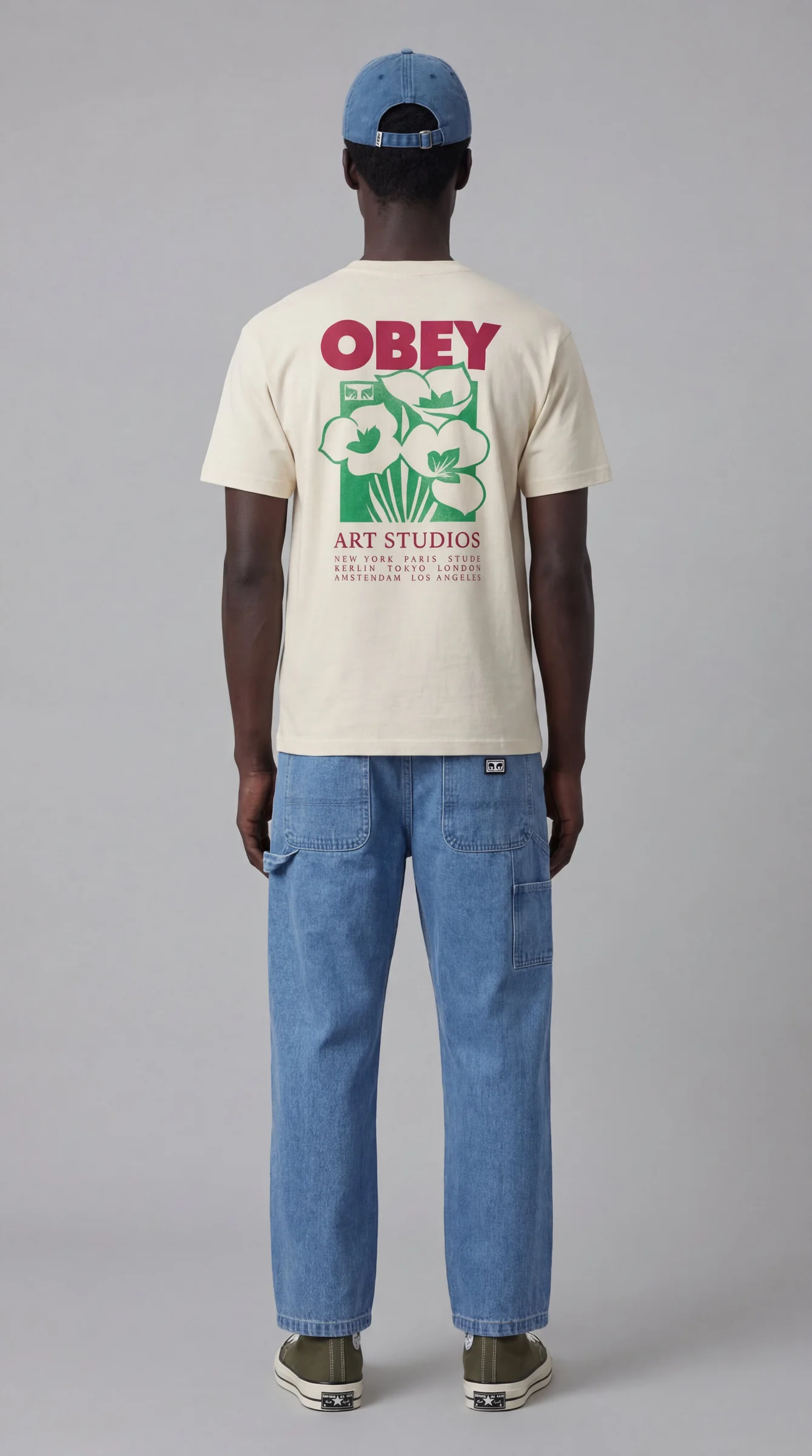
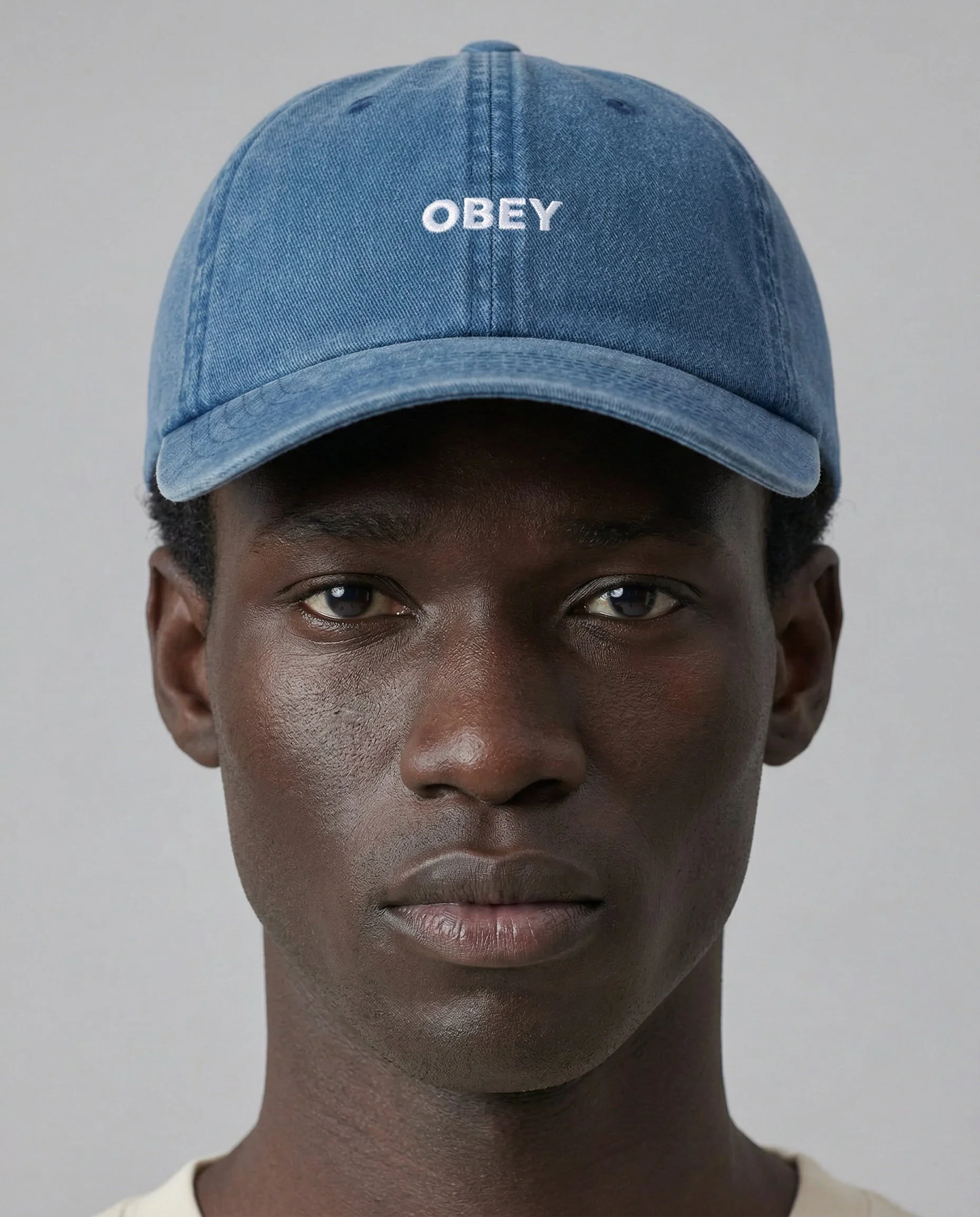
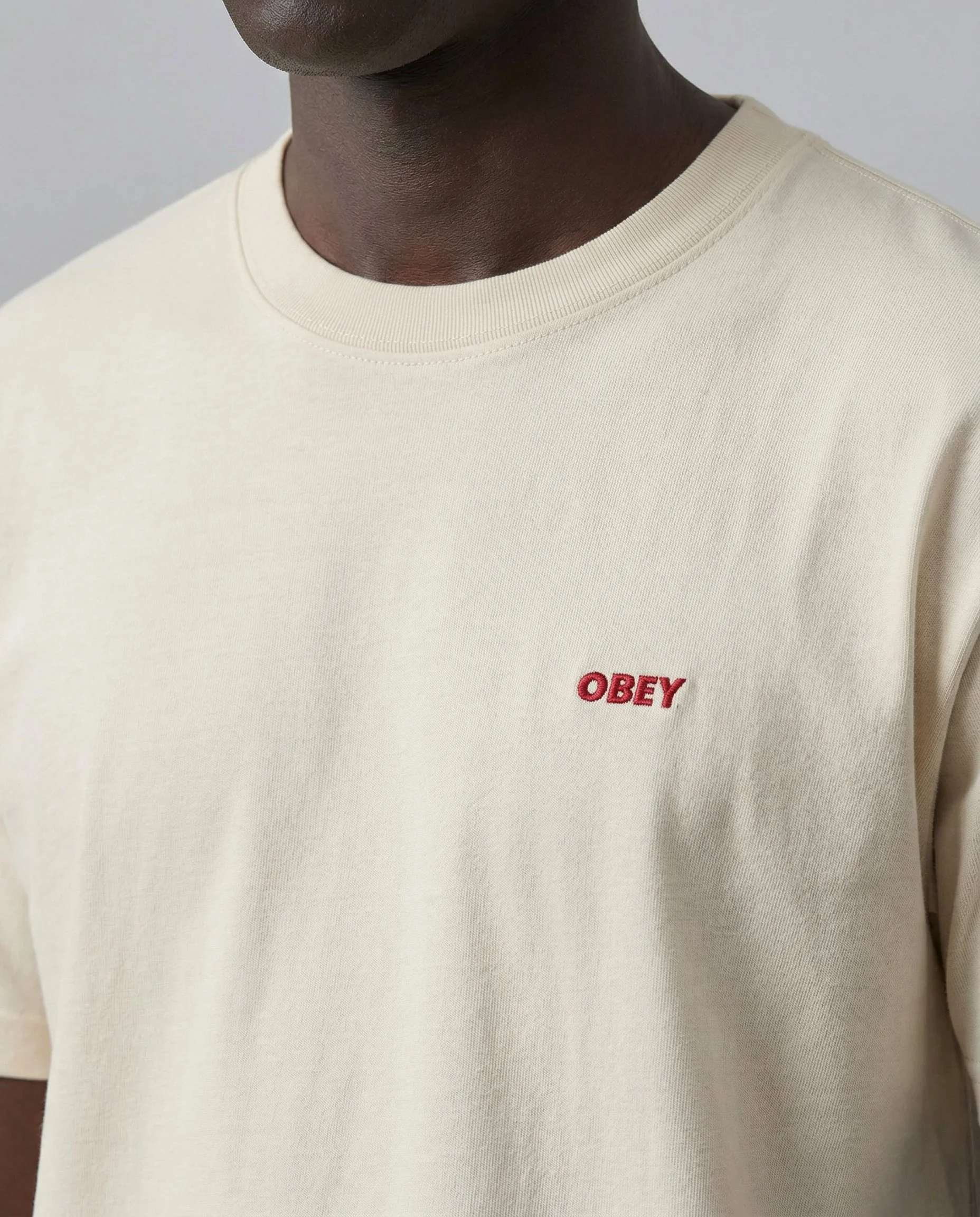
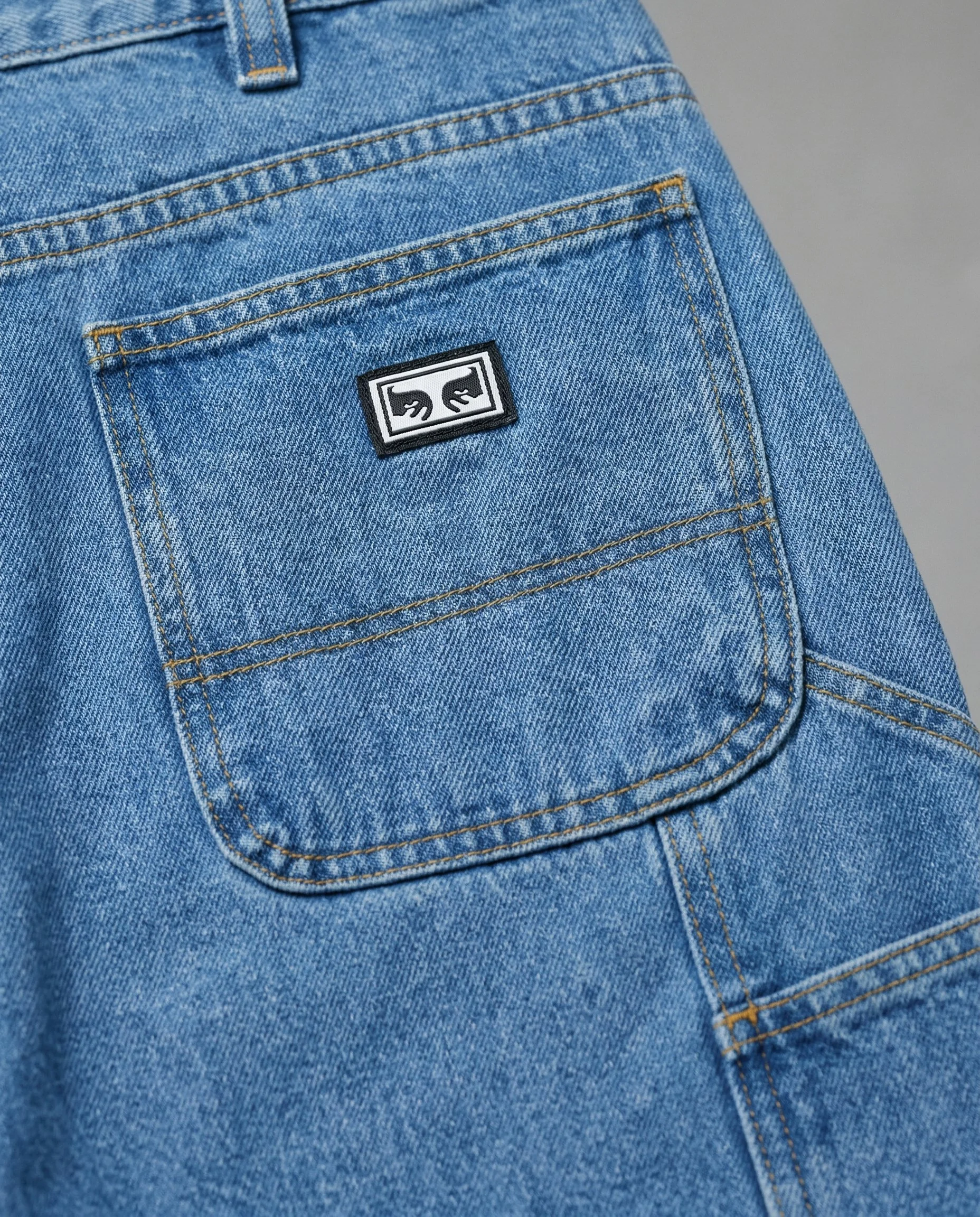
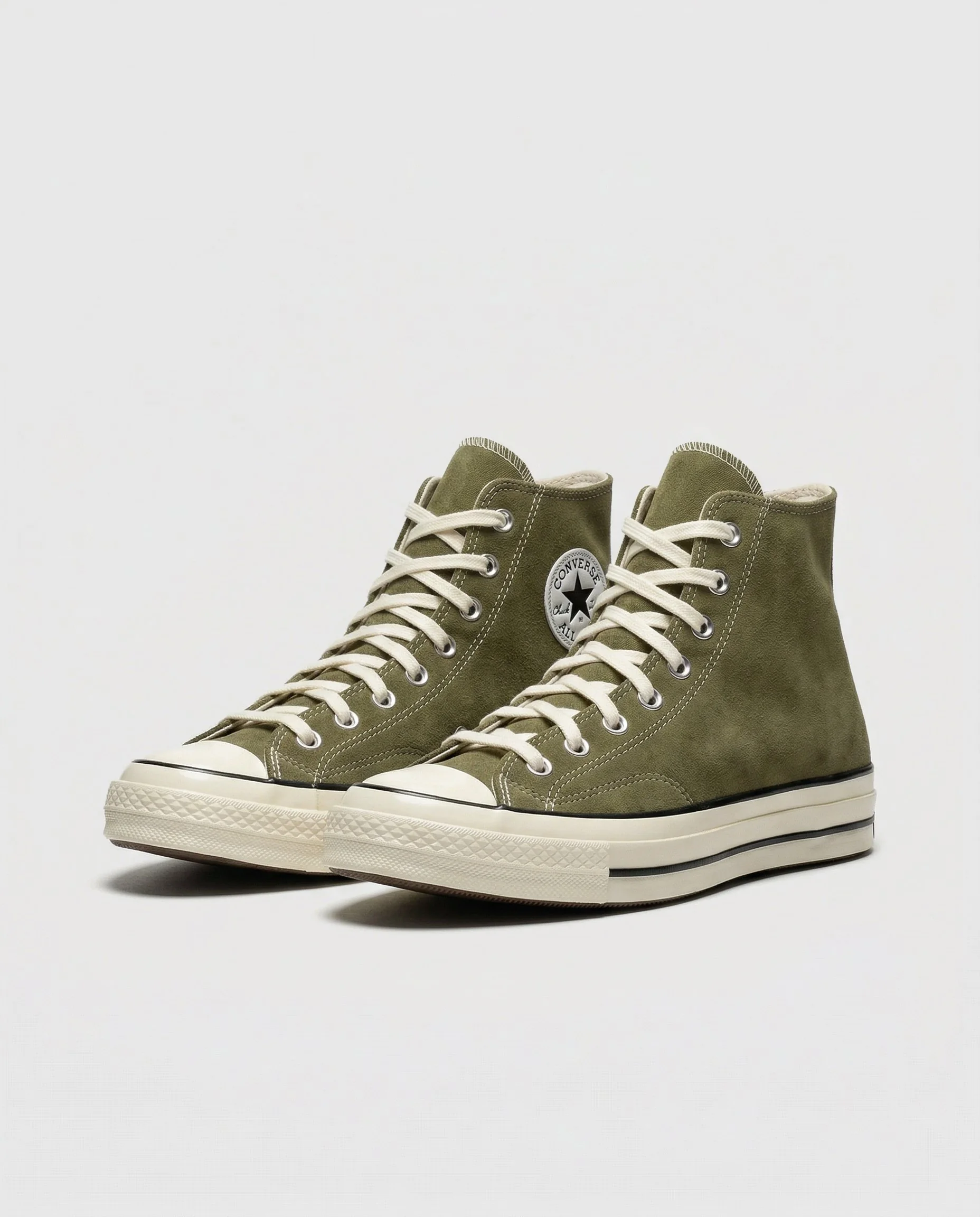
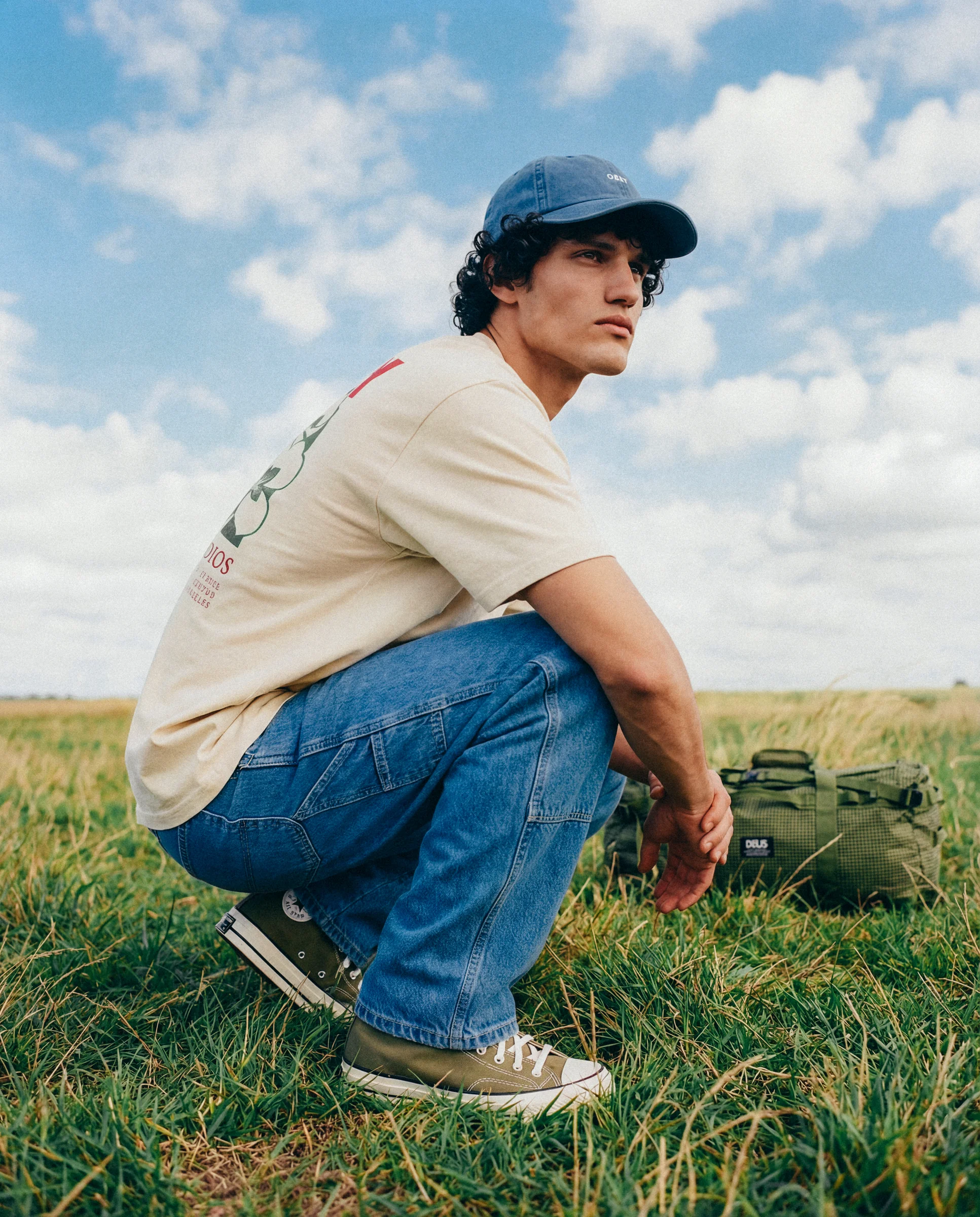
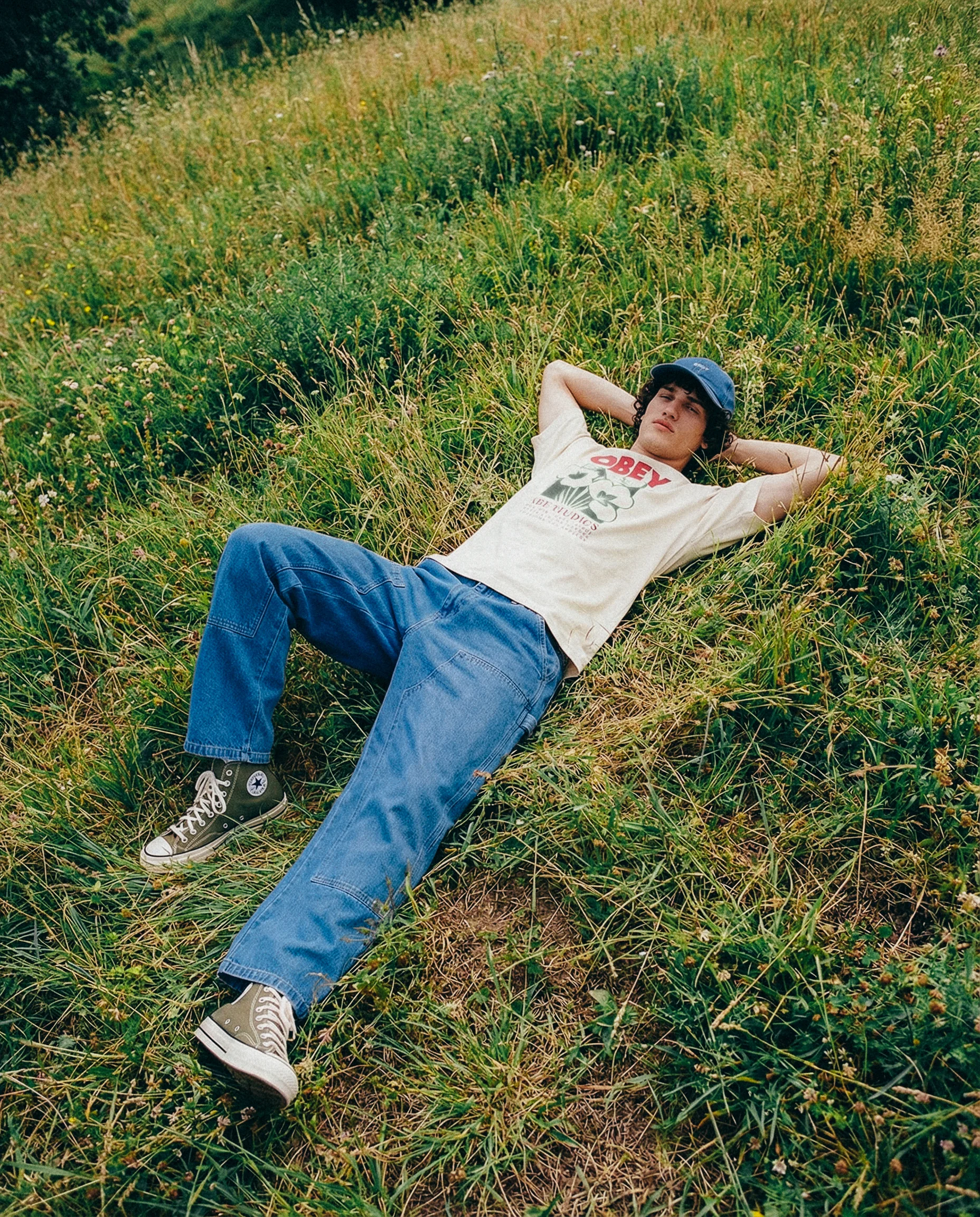
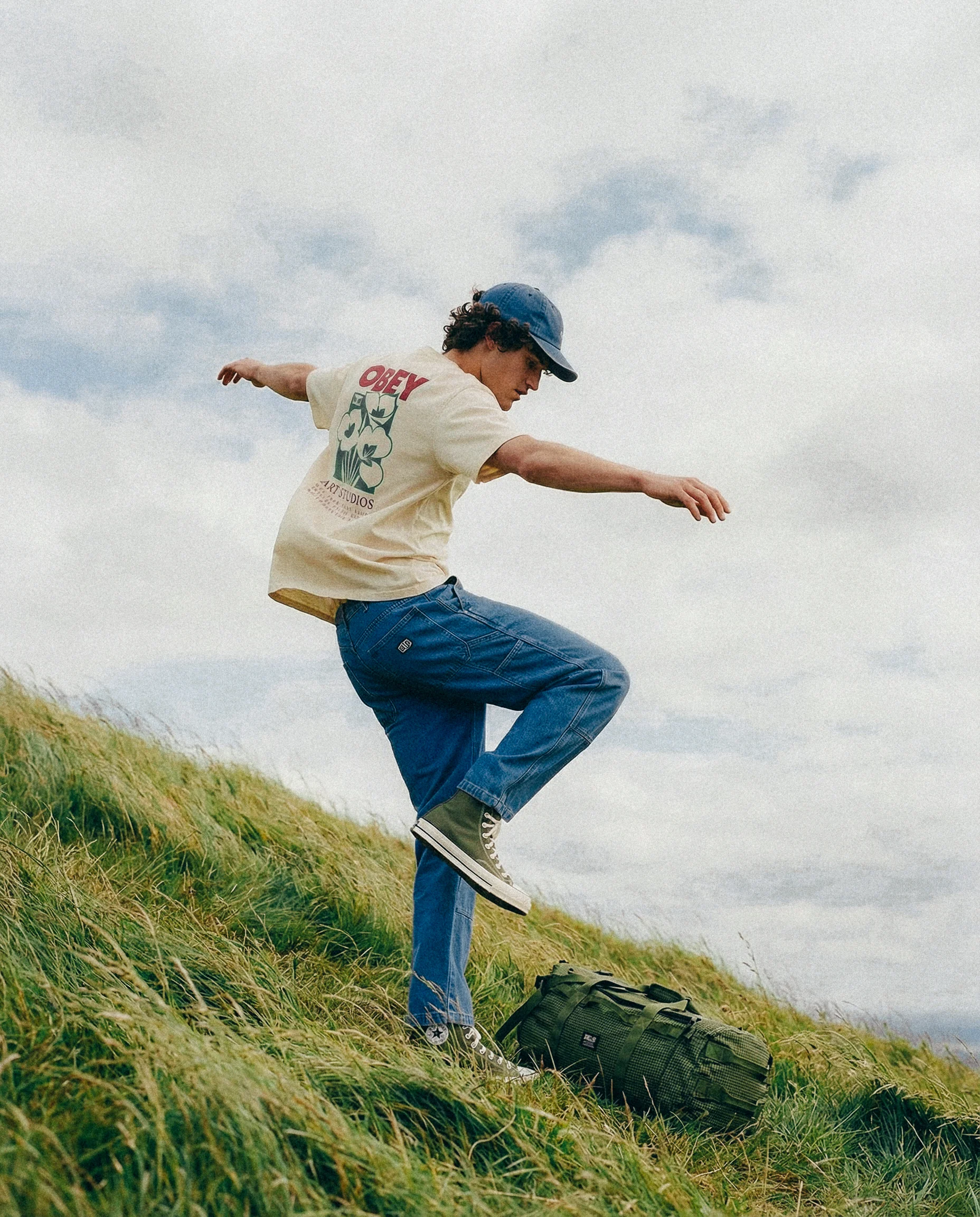



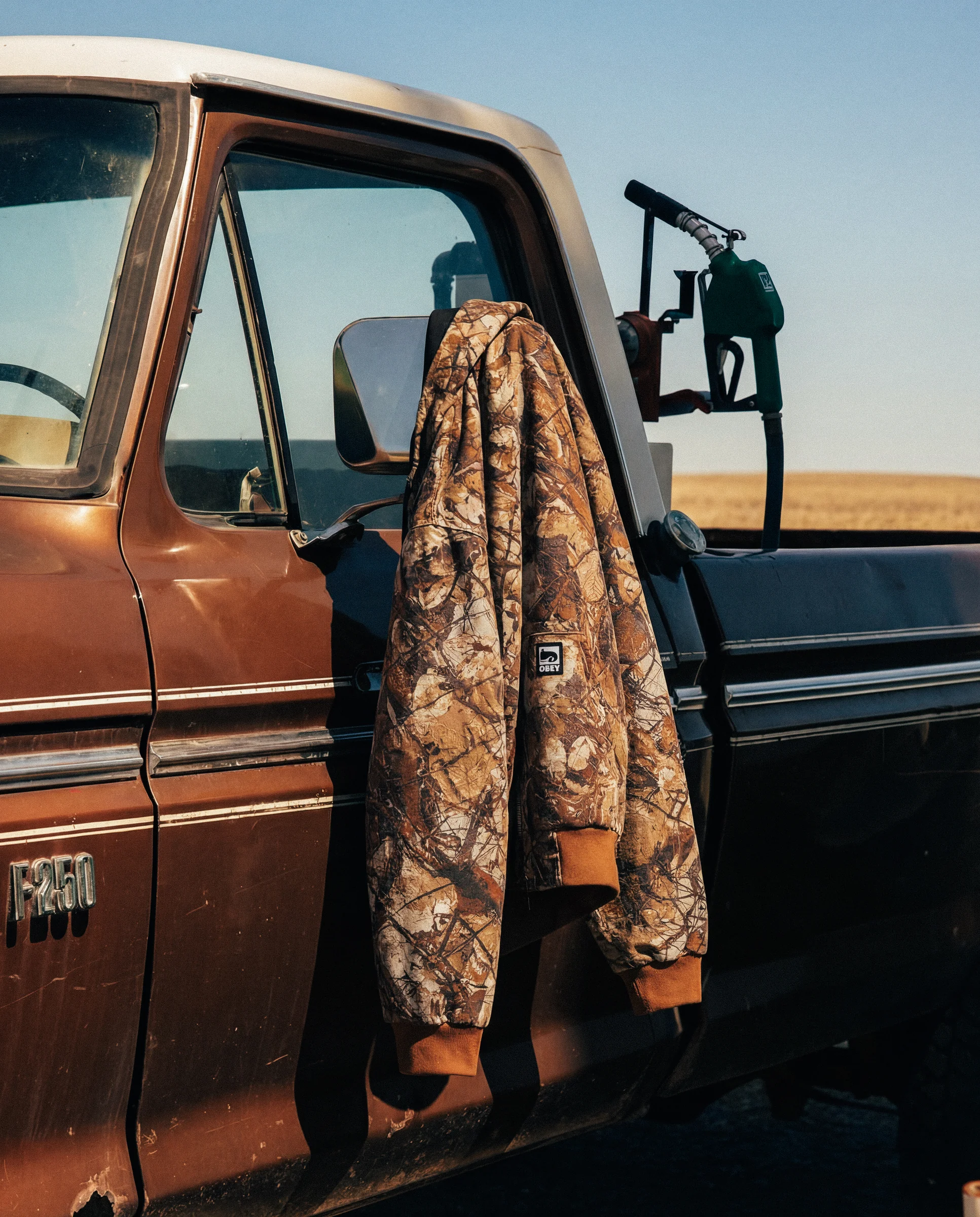
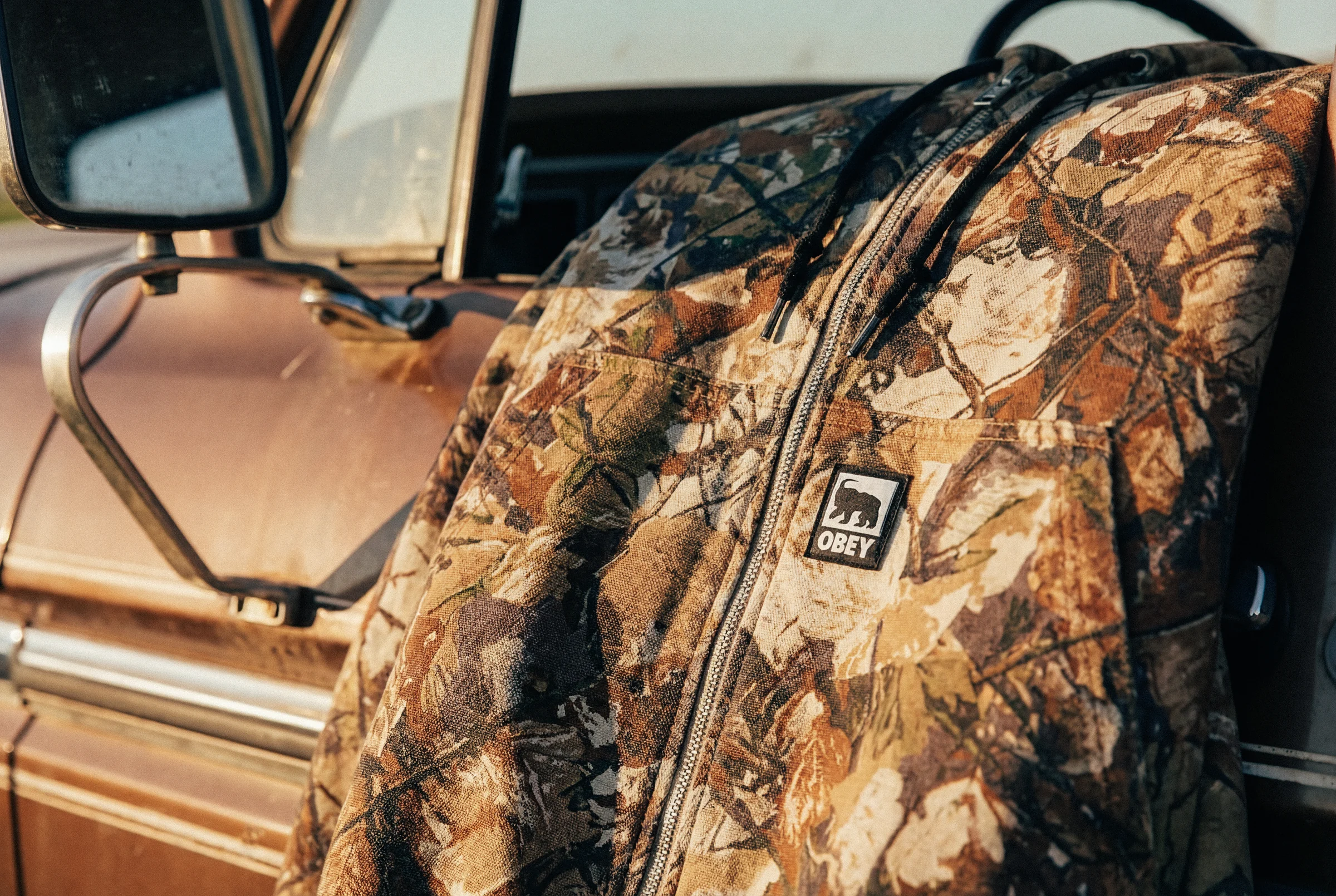
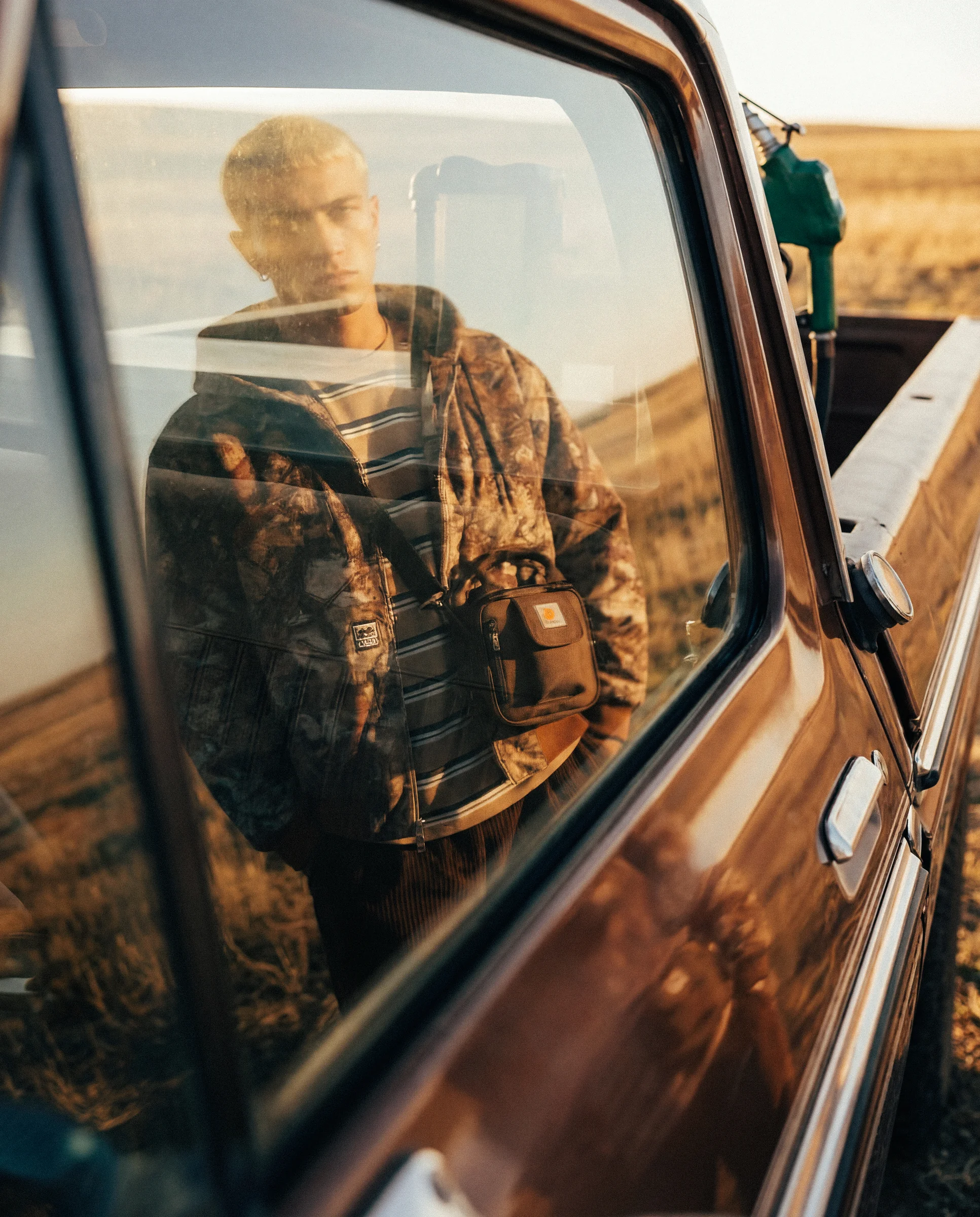
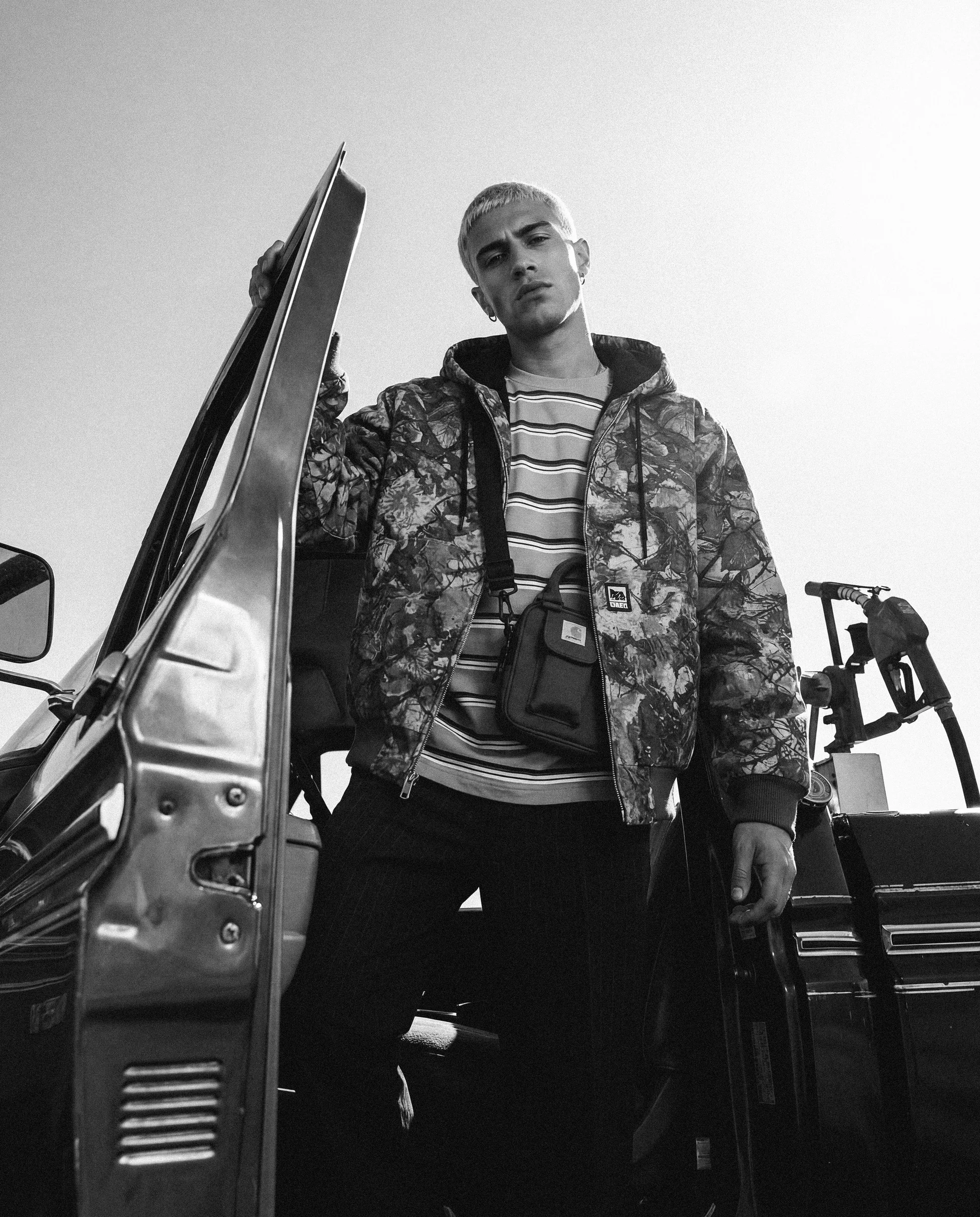
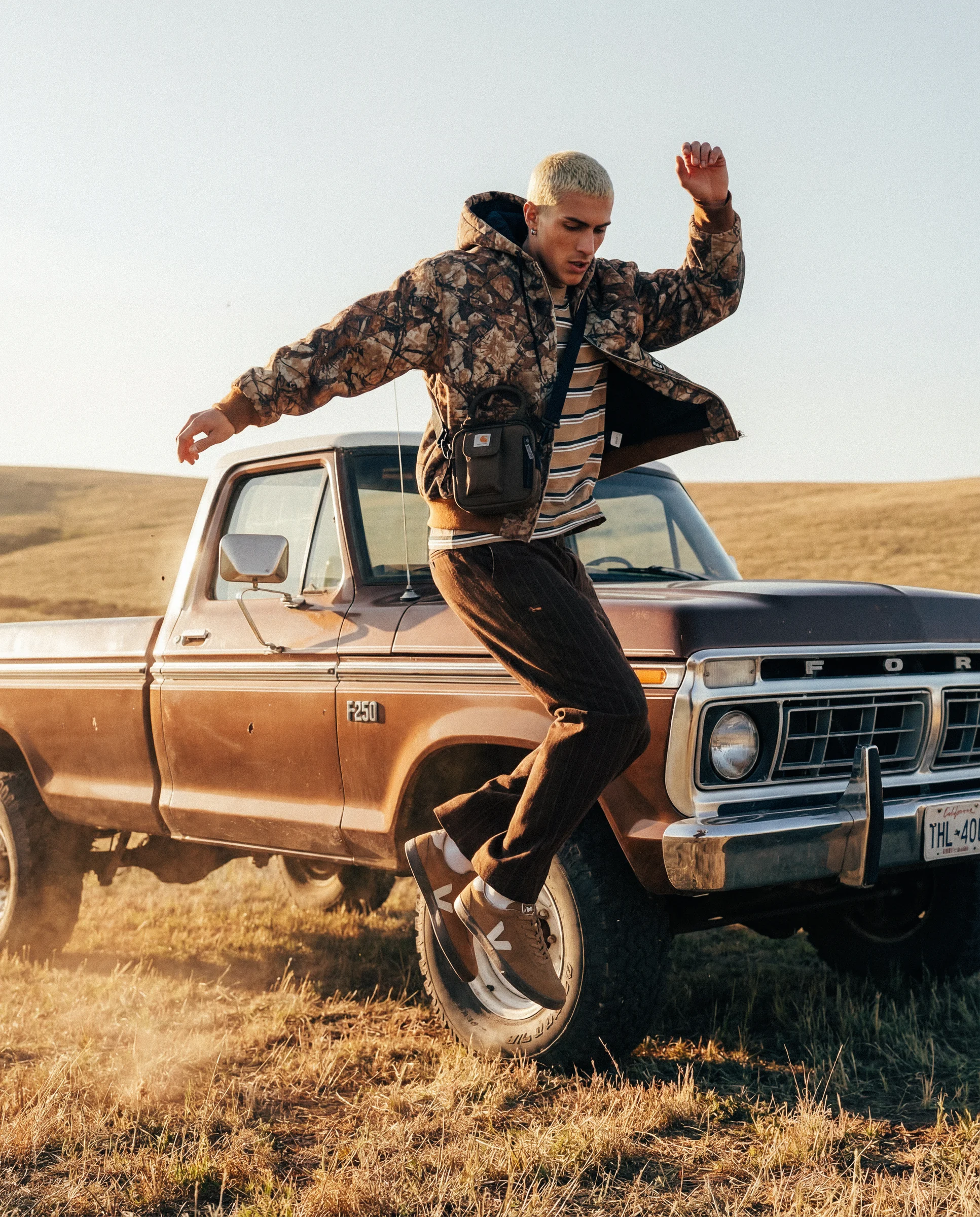
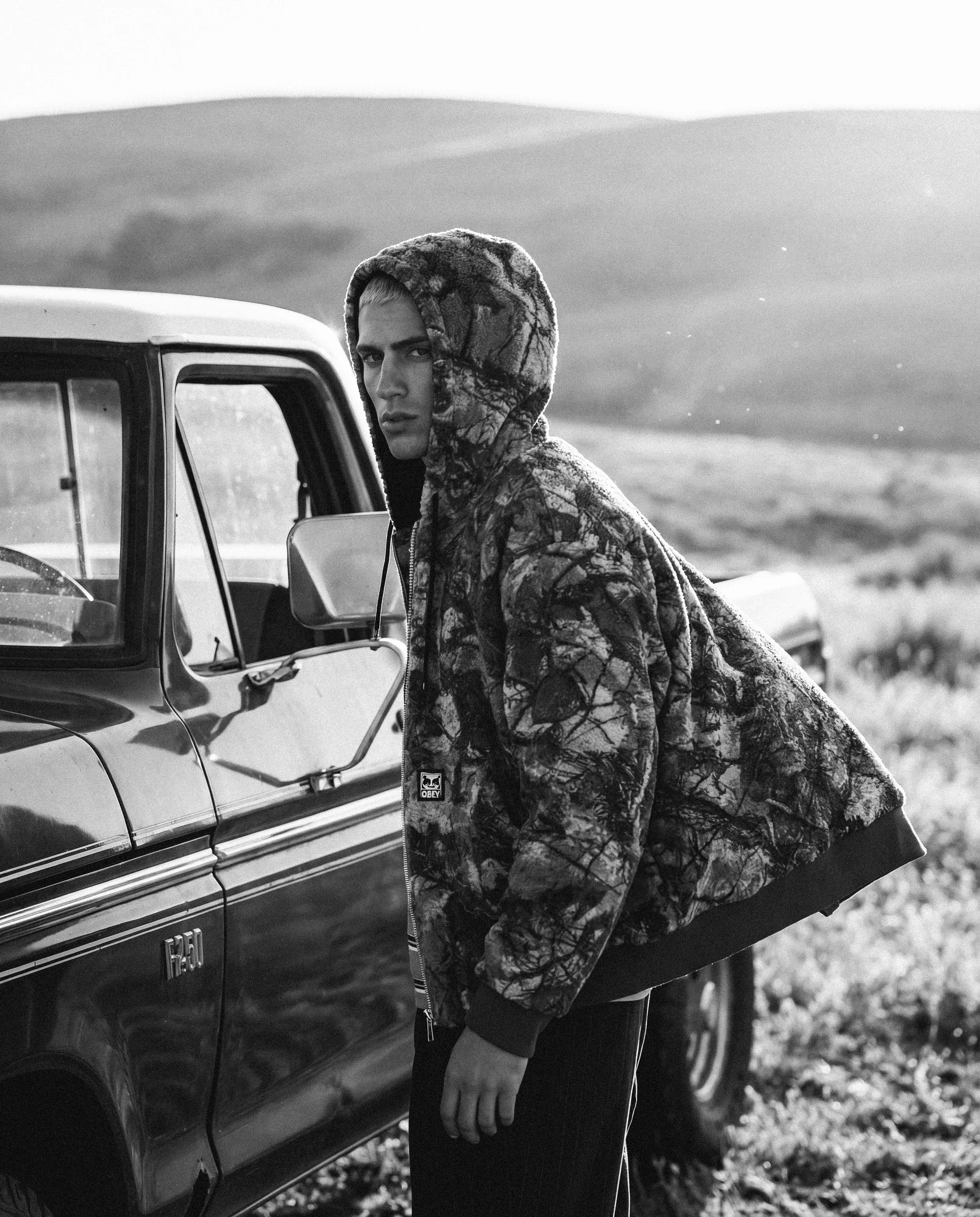
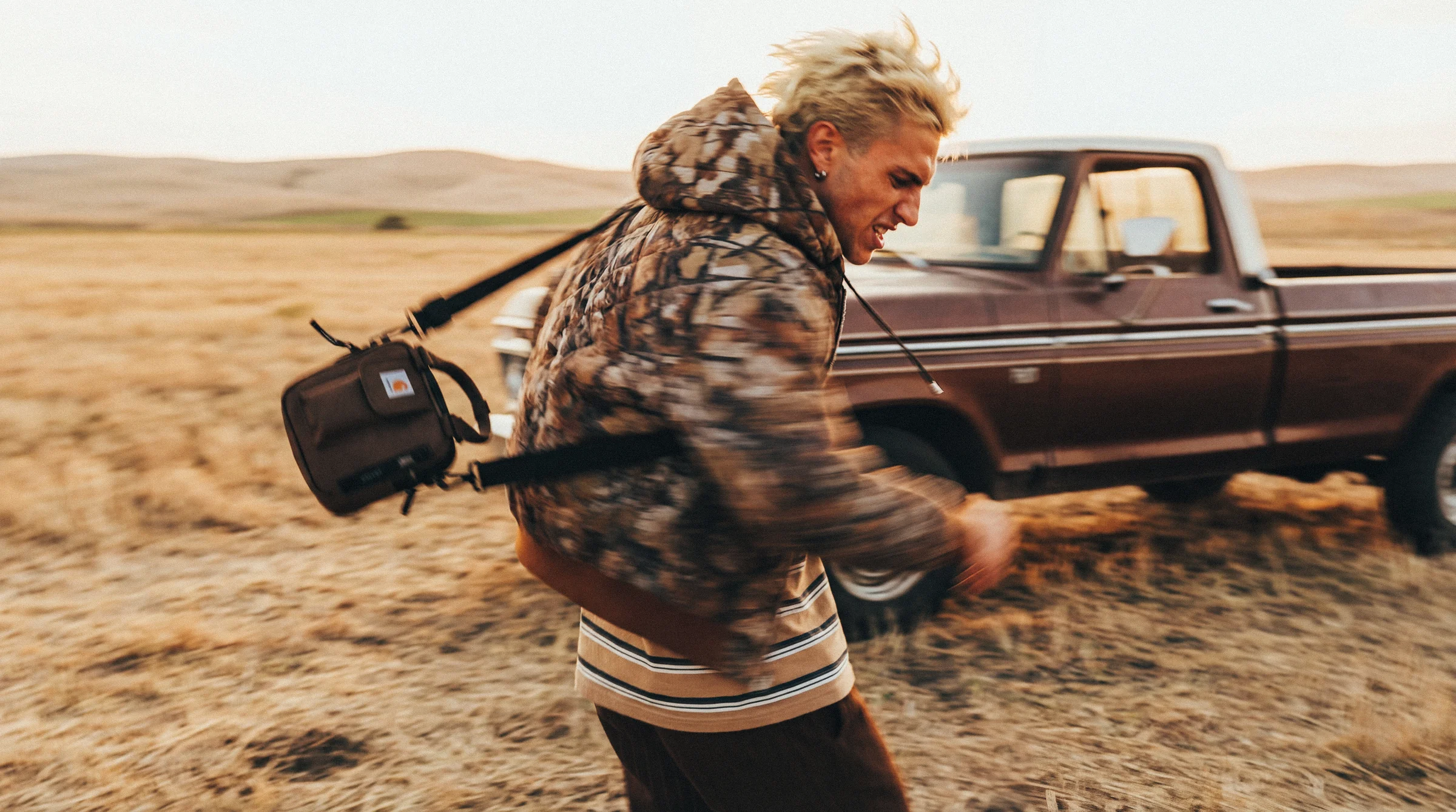
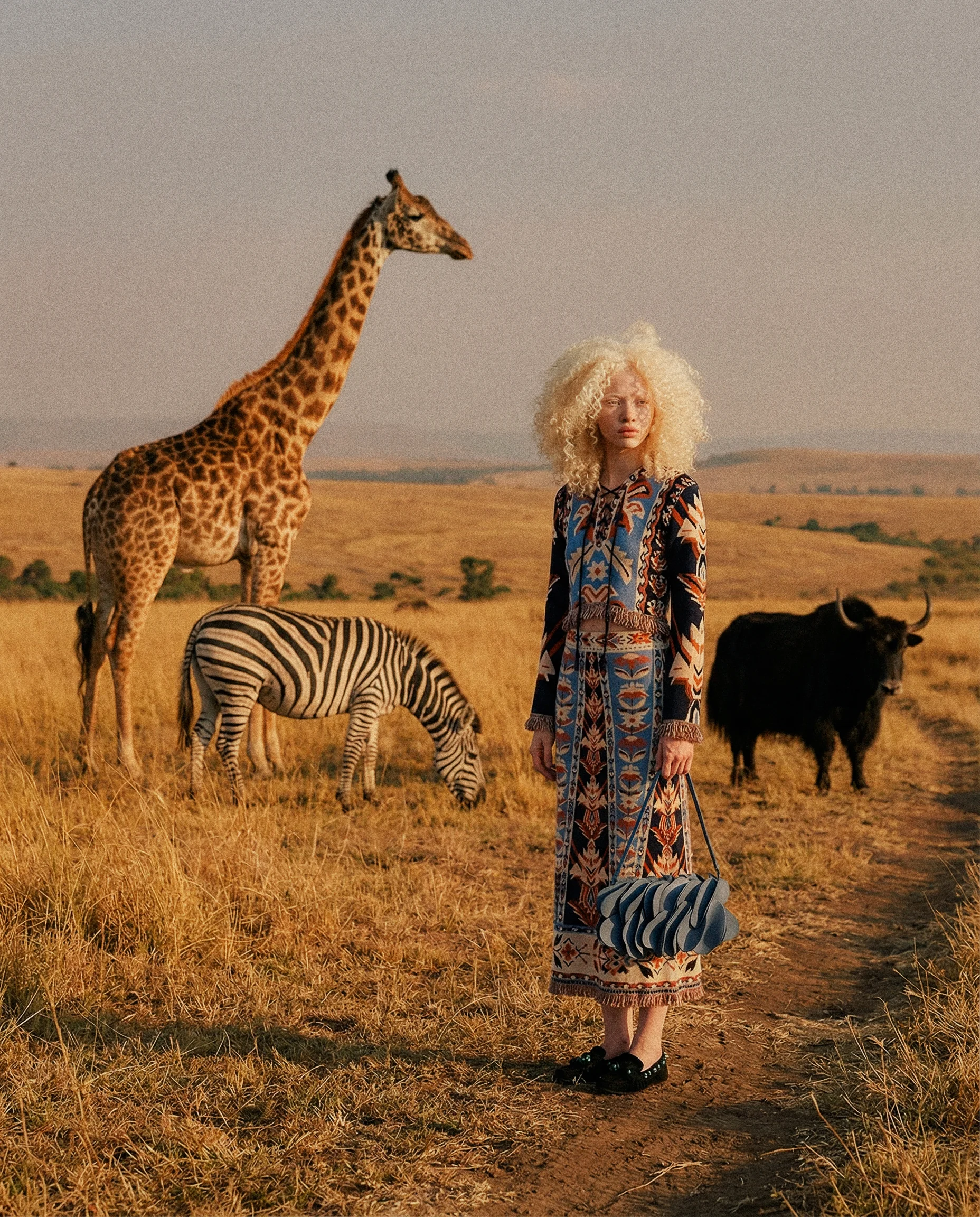

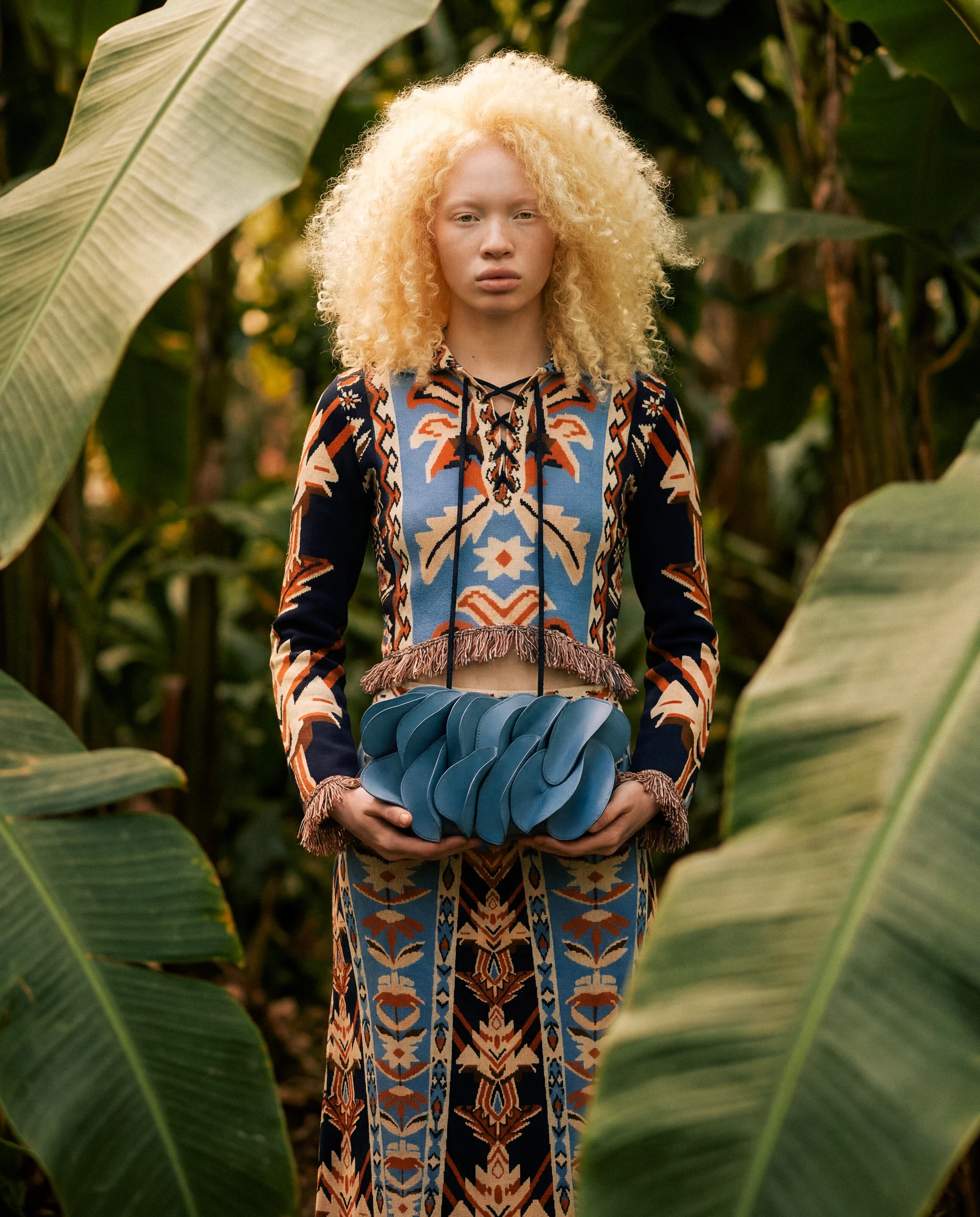
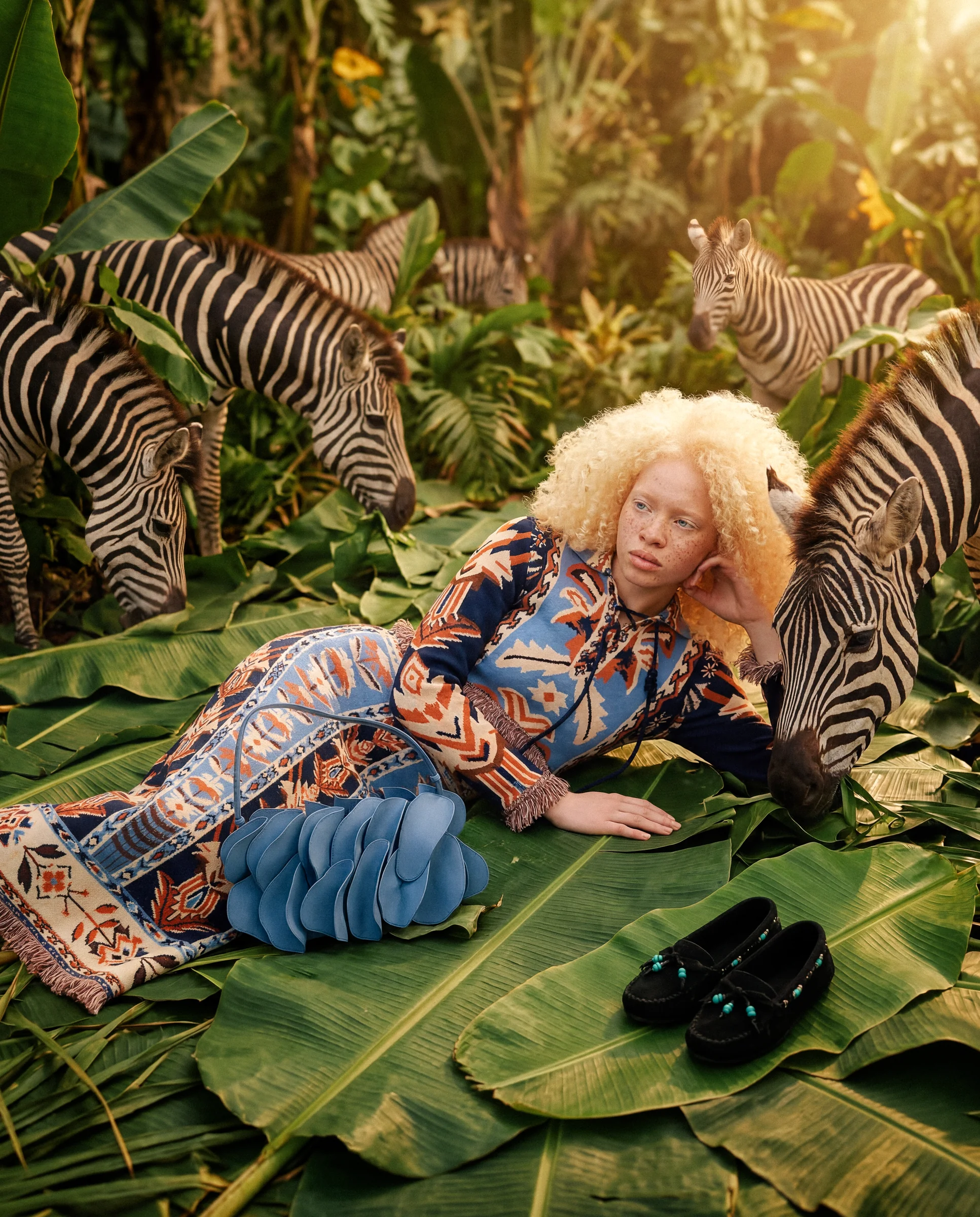
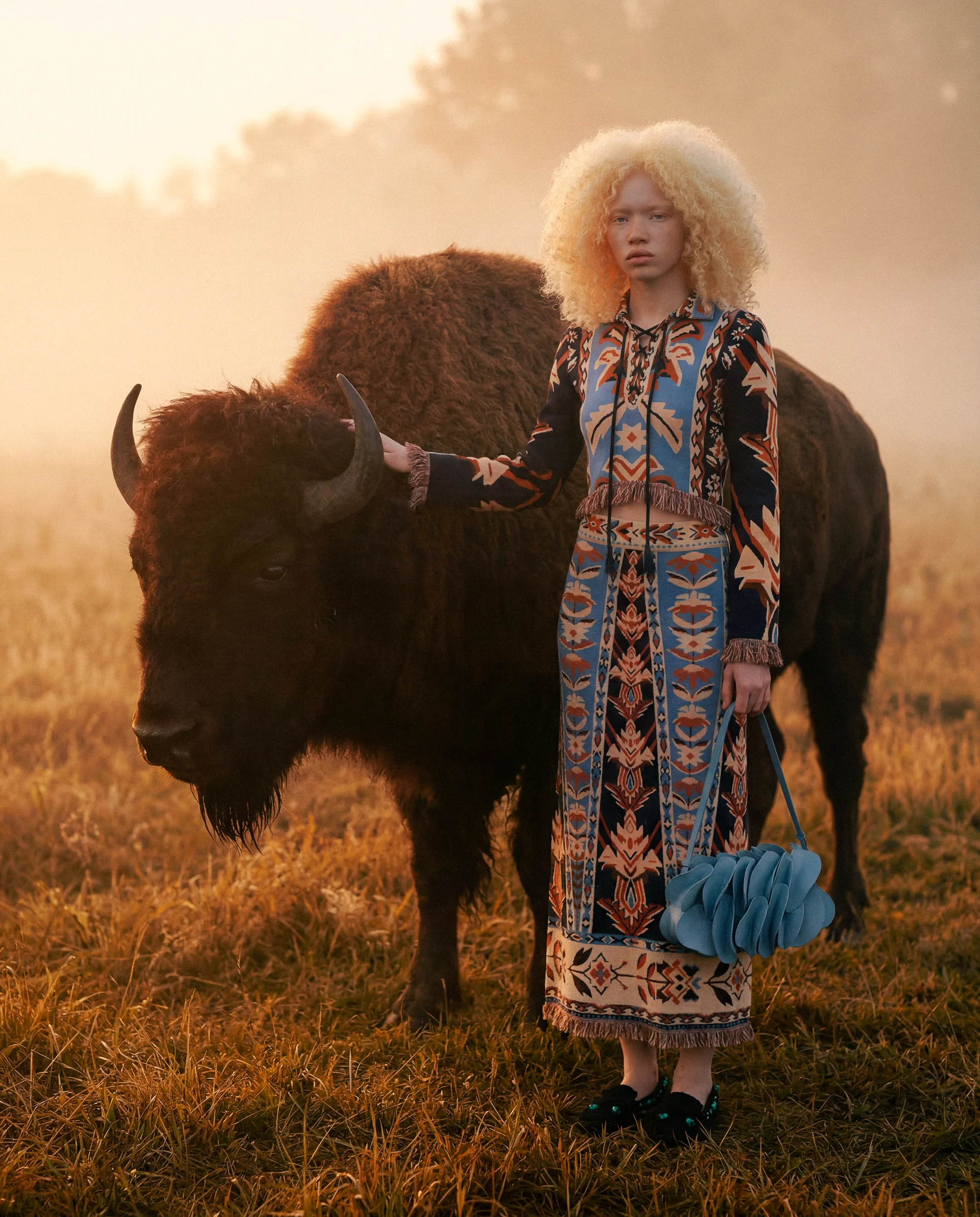
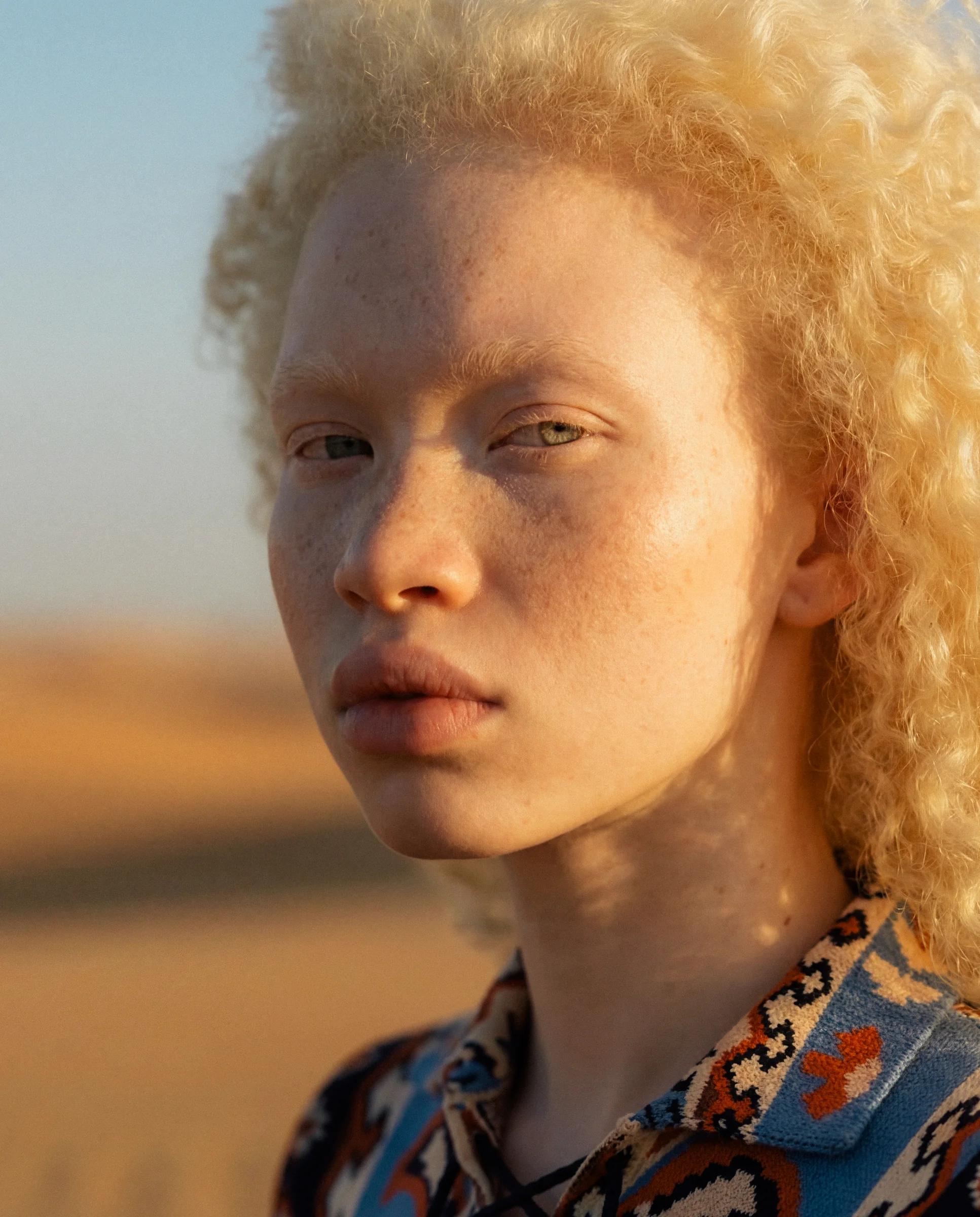
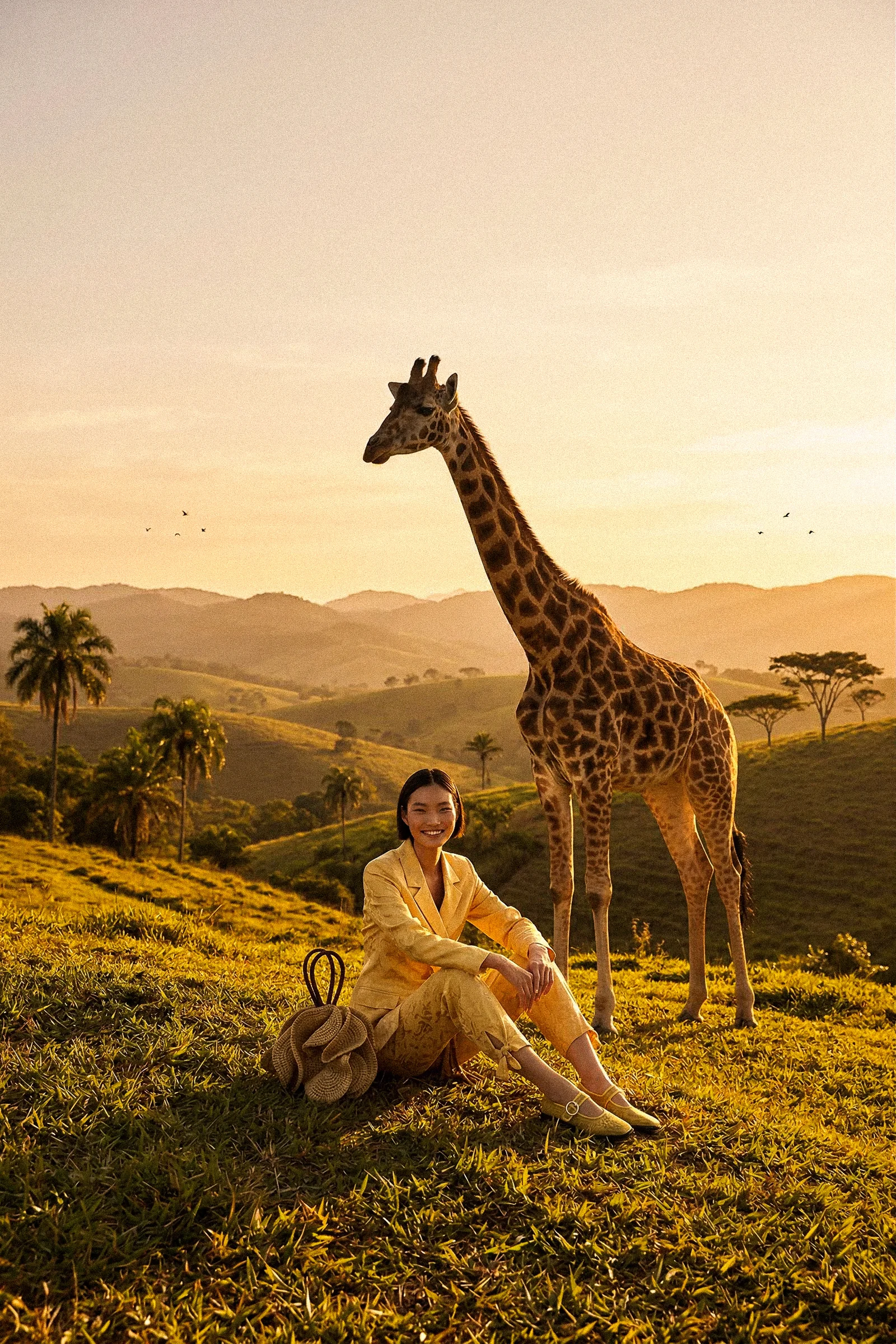
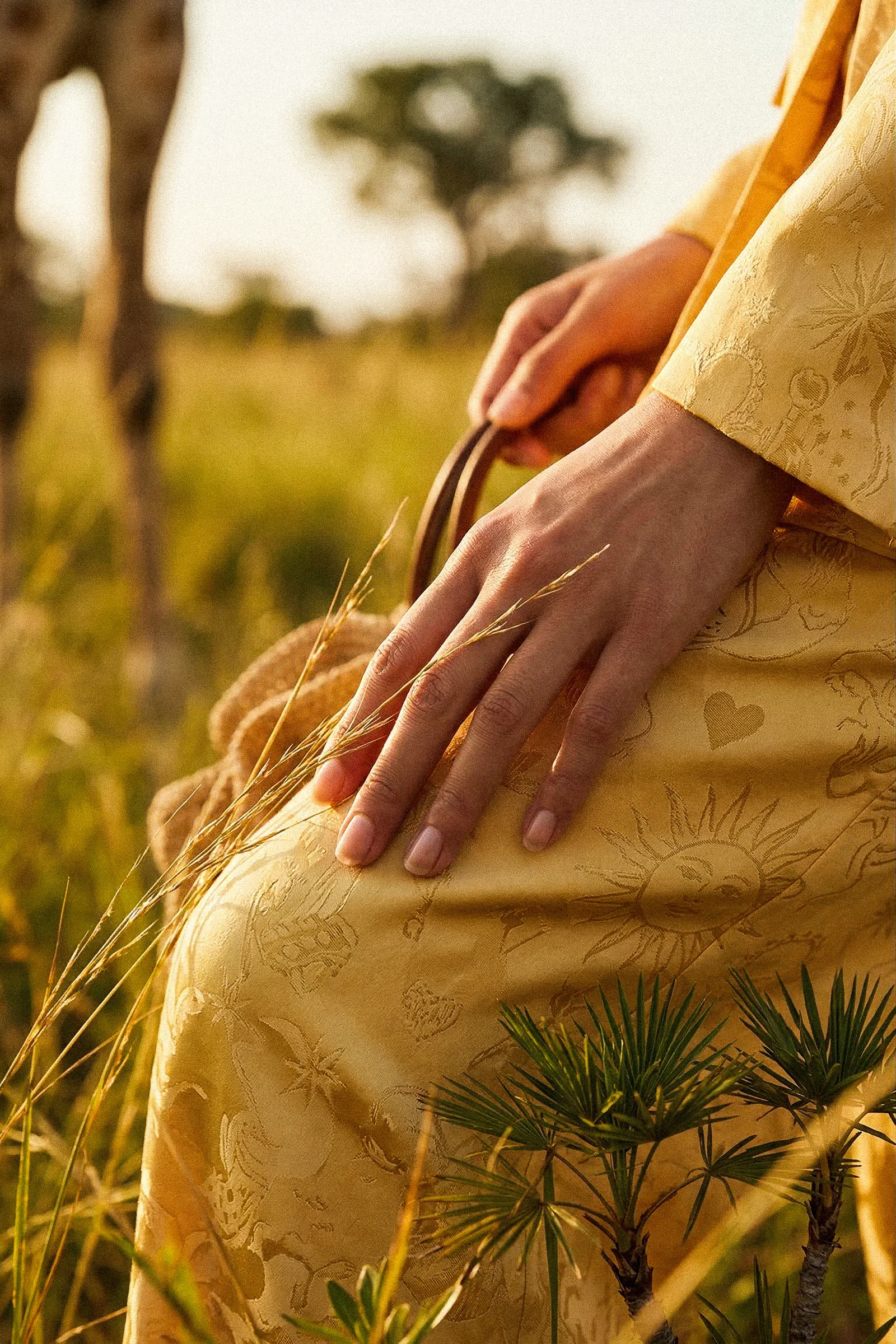

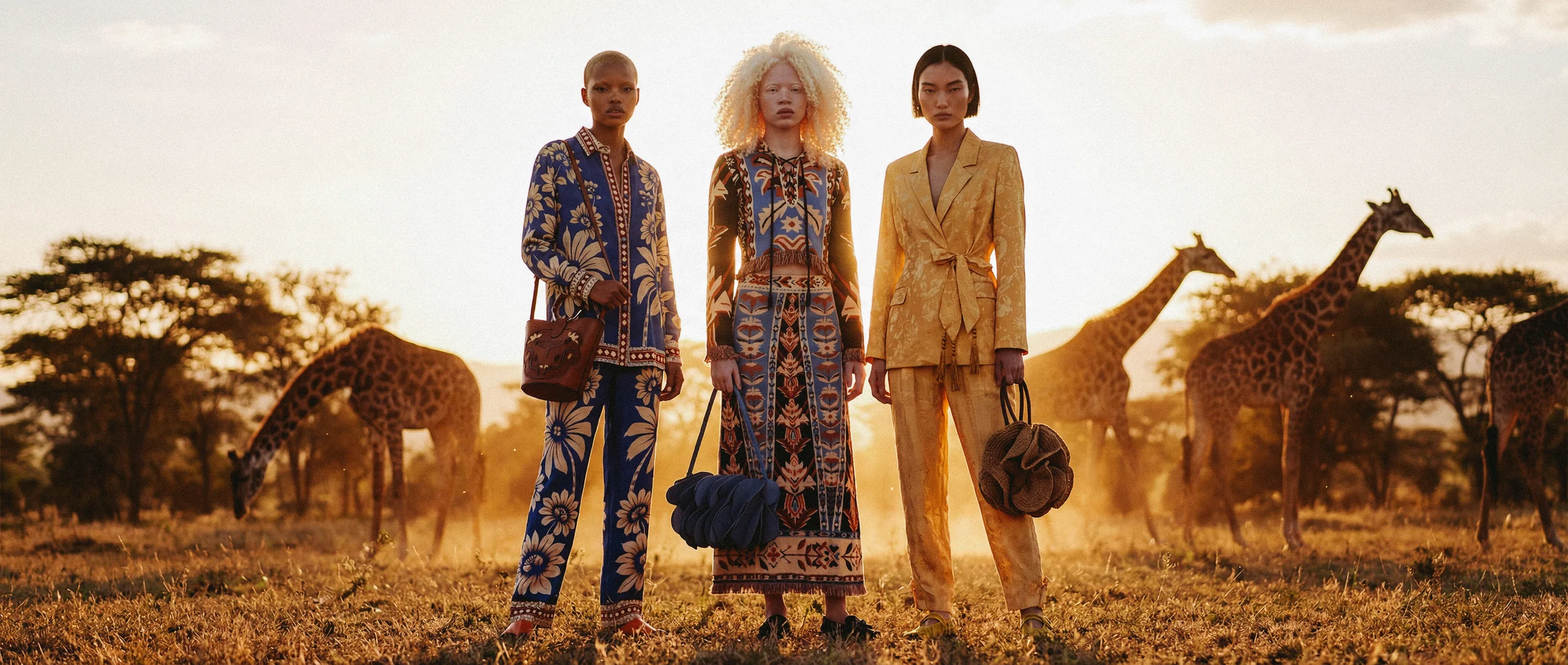
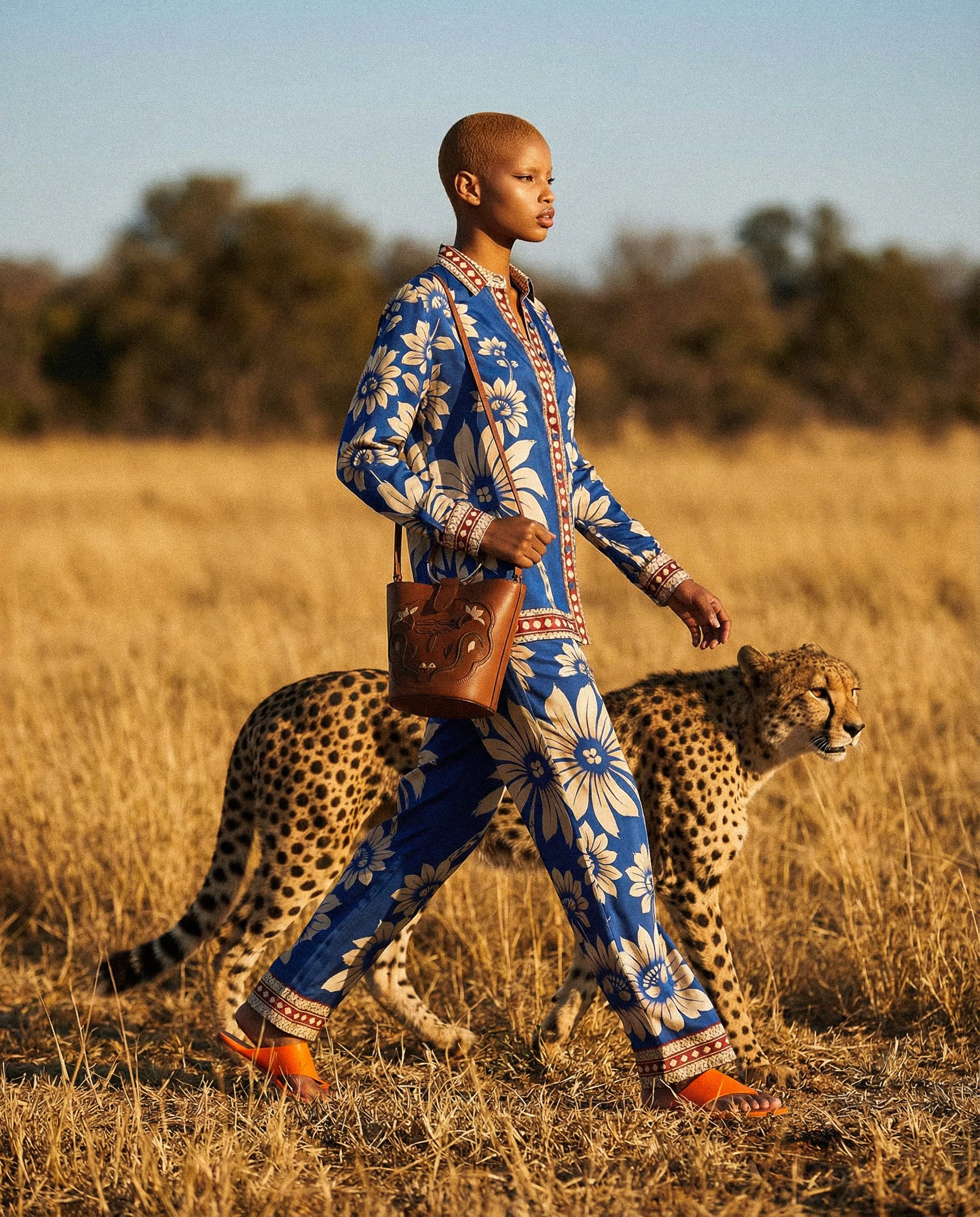
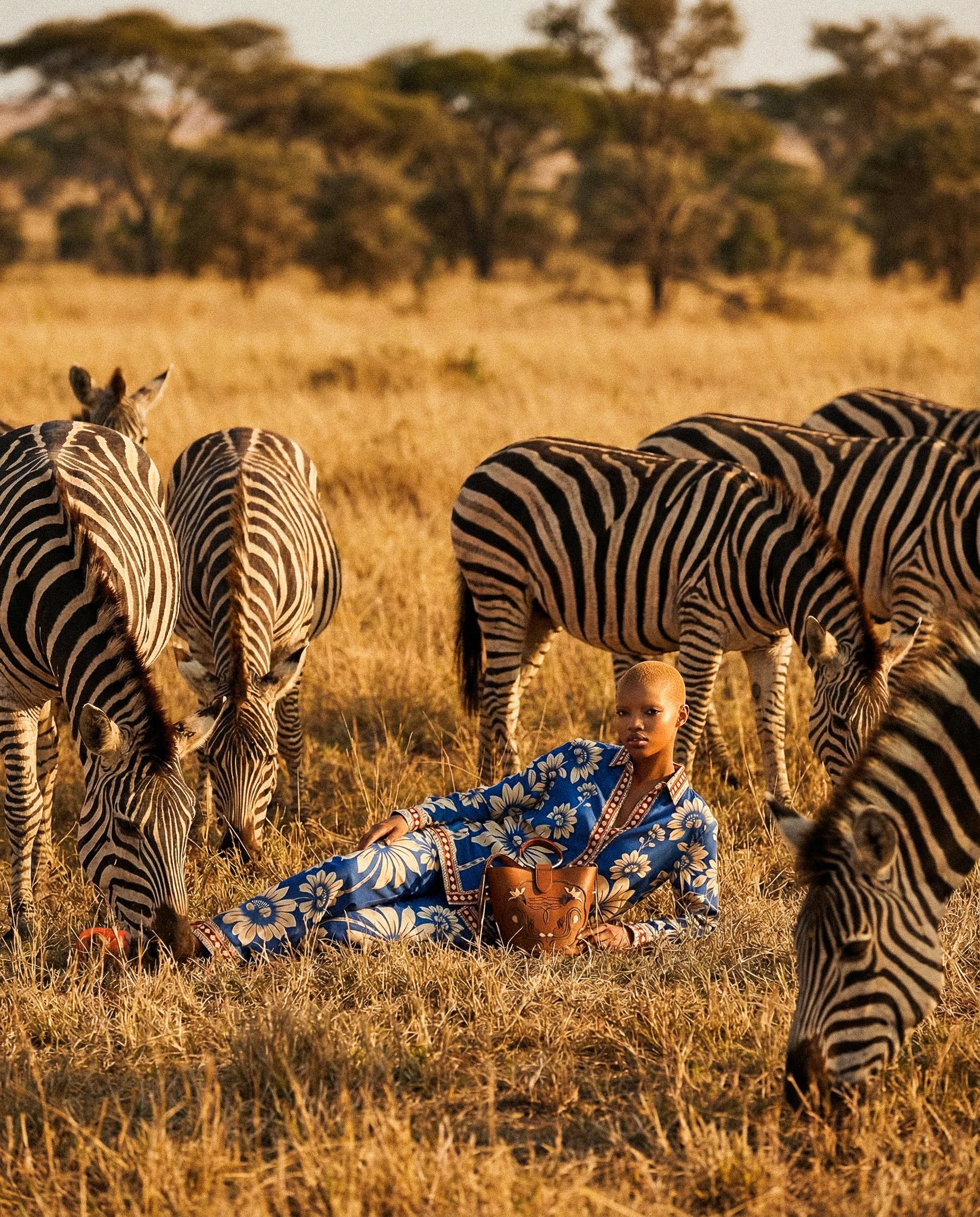
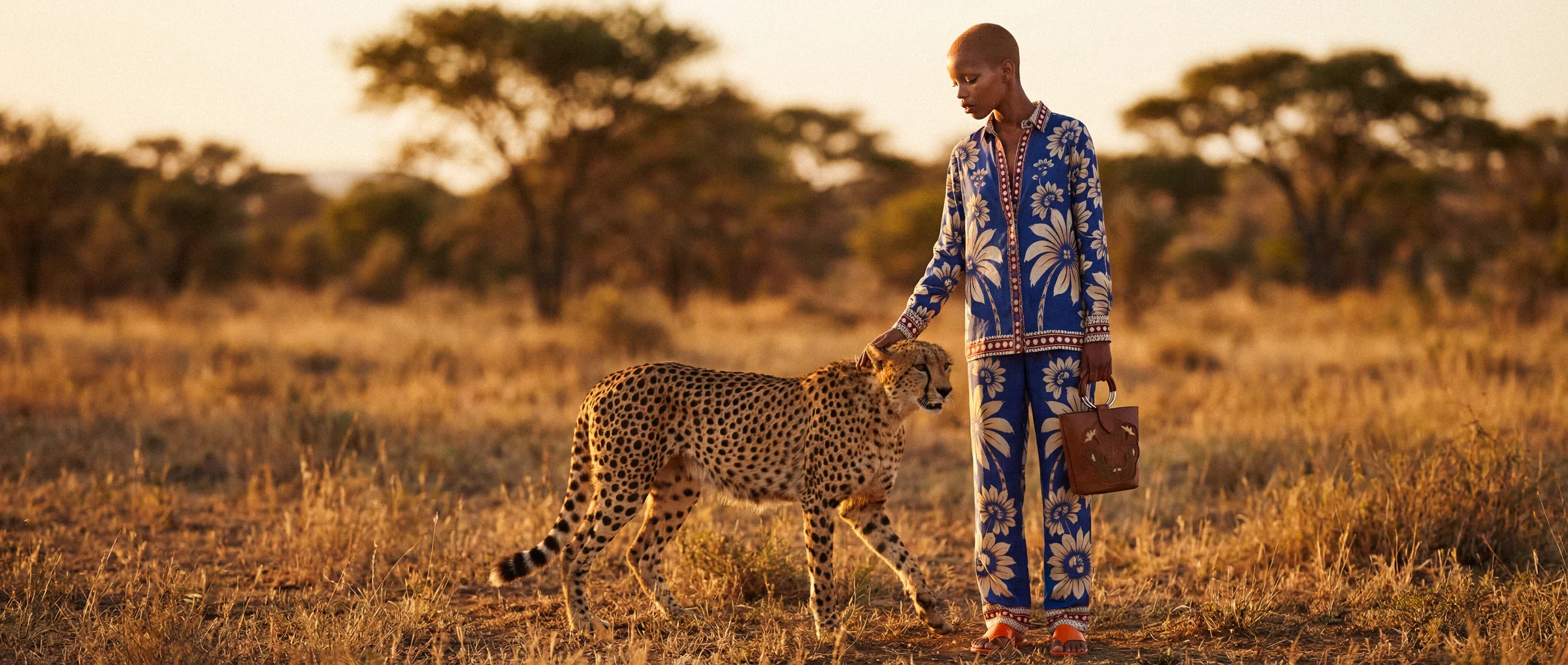
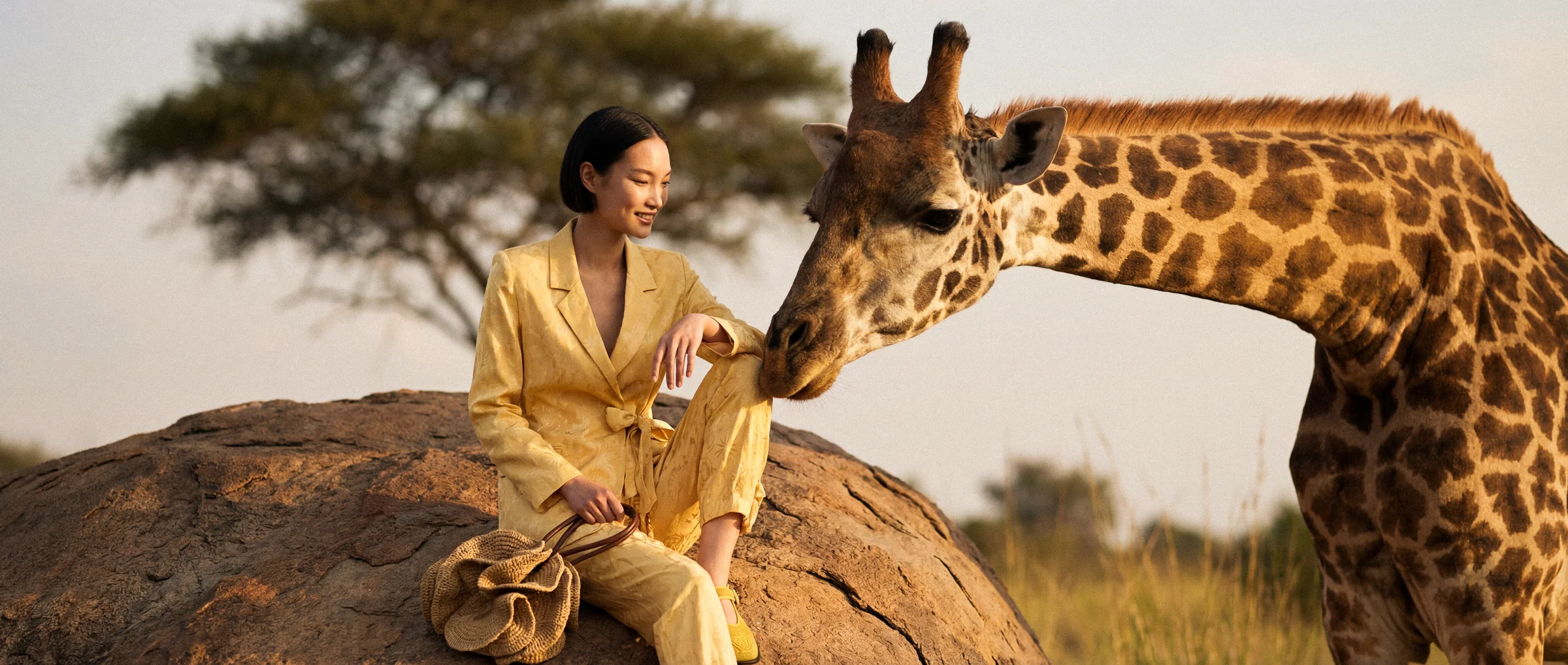
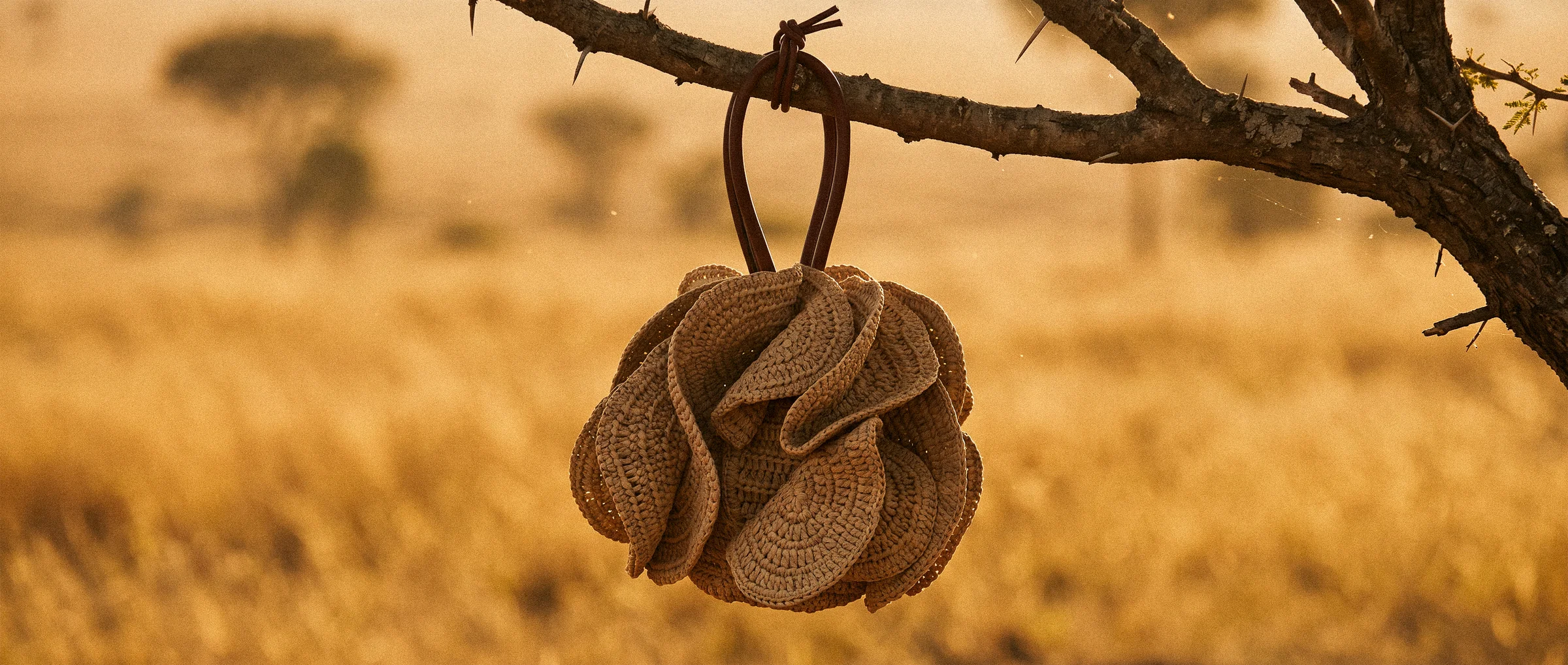
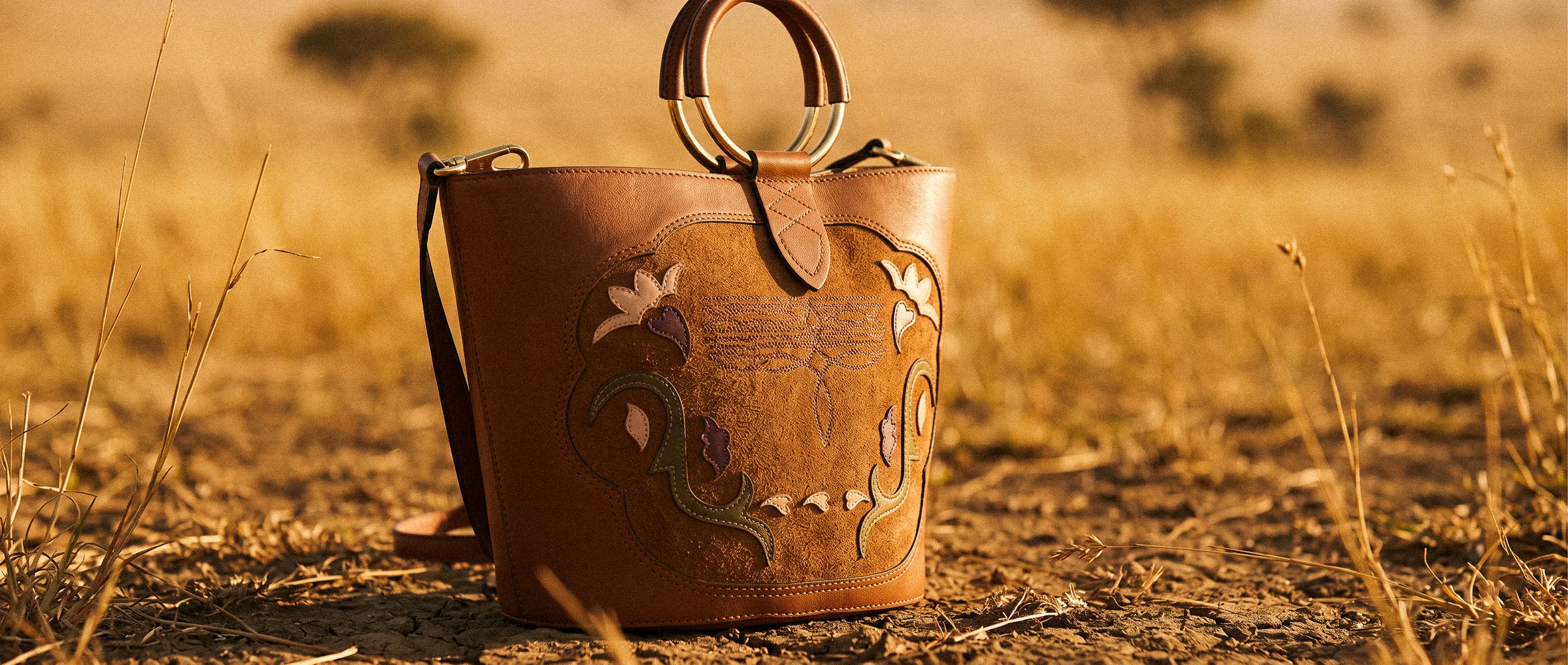
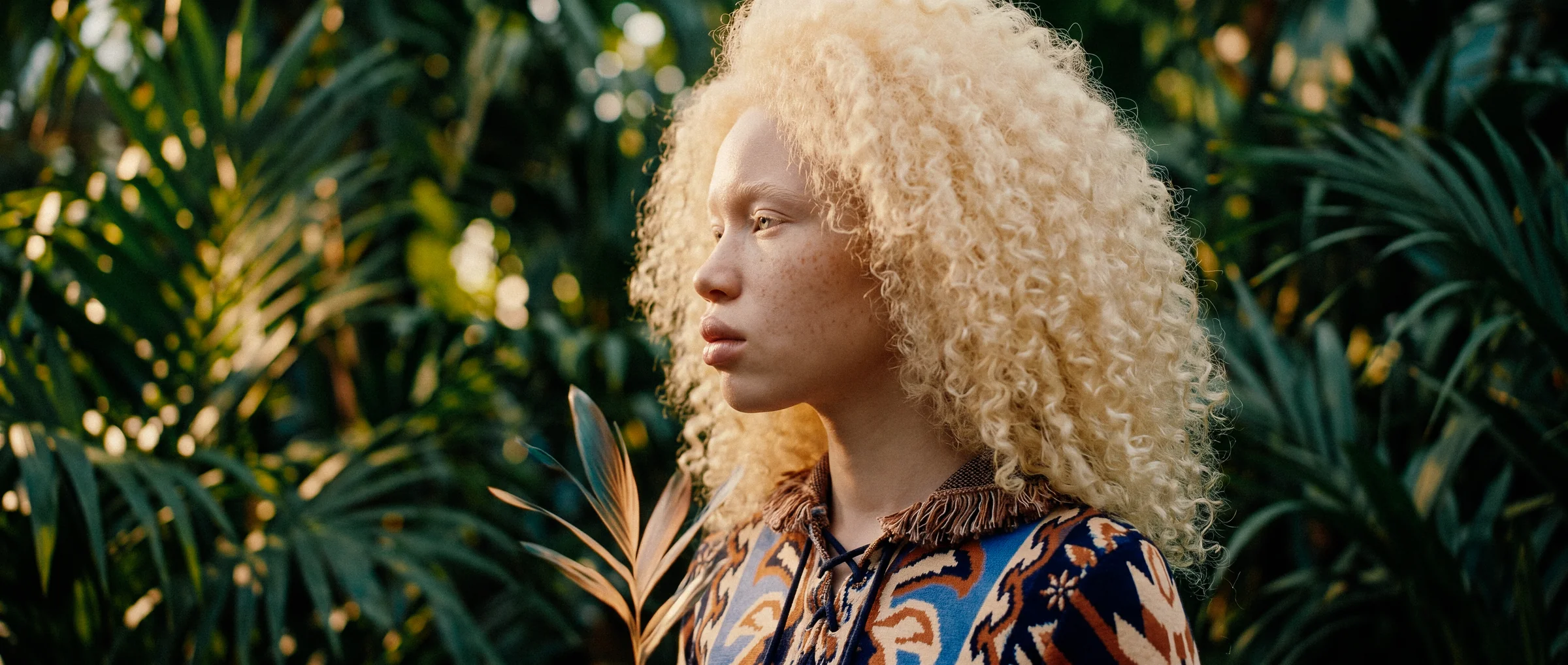
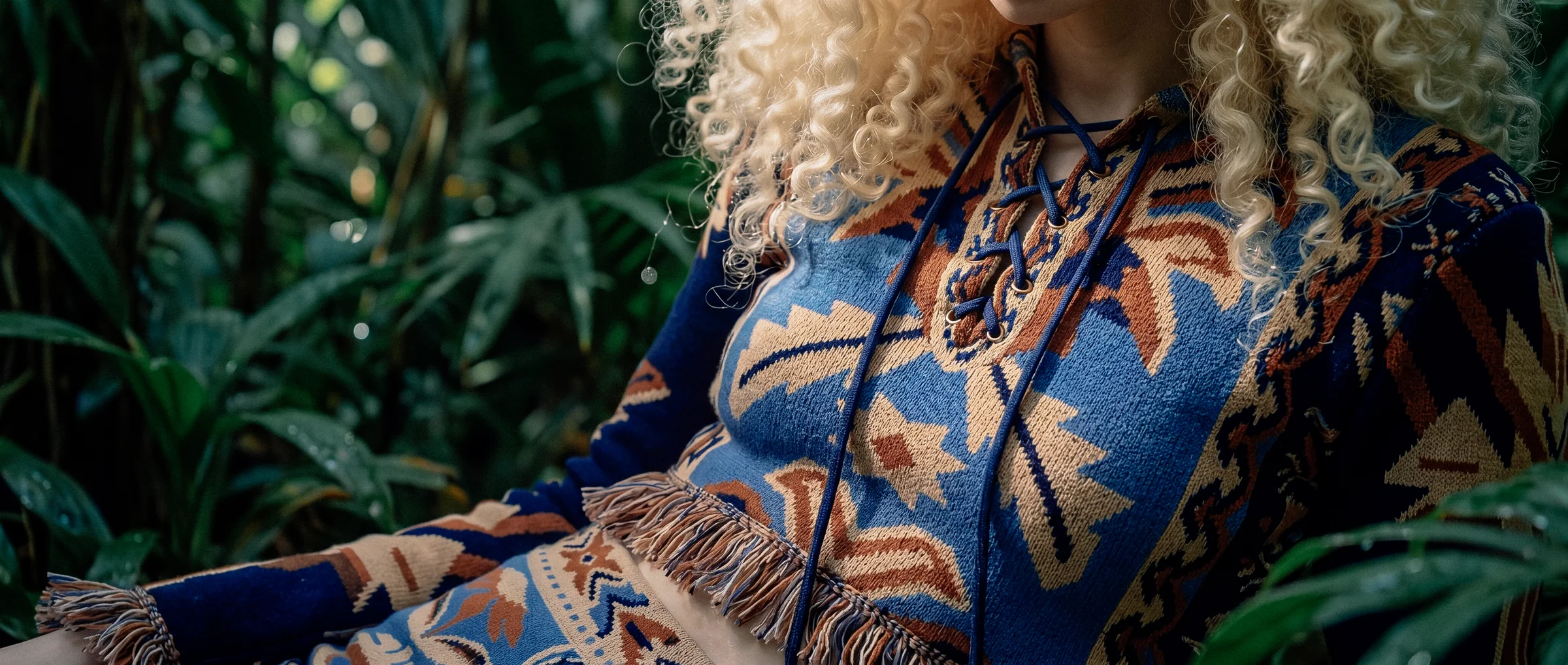
Not everything is generated. Here the talent was shot on green screen and the rest was built with AI — beach, sea, palms, light. The real and the generated are decided together, from the same direction.



GULA is two people with a background in traditional advertising who decided to rebuild production from scratch. We didn't come from AI — we came from briefs, shoots and deadlines. That's why we treat AI as a camera, not as a shortcut: someone still has to decide what's worth shooting.

Yours. Usage rights, territory and duration are agreed before we start and written into the quote — they are not an afterthought. If you need to extend the term or the territory later, we handle it as an amendment, not a new production.
Two weeks is the normal turnaround for a campaign. We can compress it when the deadline demands it, and we say so up front instead of discovering it halfway through.
Three, with changes grouped into each round. Grouping matters: scattered one-off notes cost more time than one consolidated pass. Extra rounds and format adaptations are quoted separately and always agreed before we execute them.
We build a locked character reference before producing anything — face, wardrobe, lighting — and every shot is generated against it. Consistency is the hardest part of AI production, so we treat it as a deliverable of its own, not something we hope for.
You see the direction before the frames exist. Moodboard, storyboard and 3D blocking are approved first, so by the time we generate, the look is already decided. Most of the risk lives in that stage — which is exactly why we do it.
No. The idea, the direction and every decision are human. AI is the production tool — it executes what we already decided, faster and at a scale traditional production can’t reach. Nobody prompts and hopes.
A brief, your brand guidelines, and whoever has the final say available for the approval points. If sound, voice-over or talent come from your side, we agree that in writing before we begin so nothing falls between the cracks.